Study Overview : SACMIND
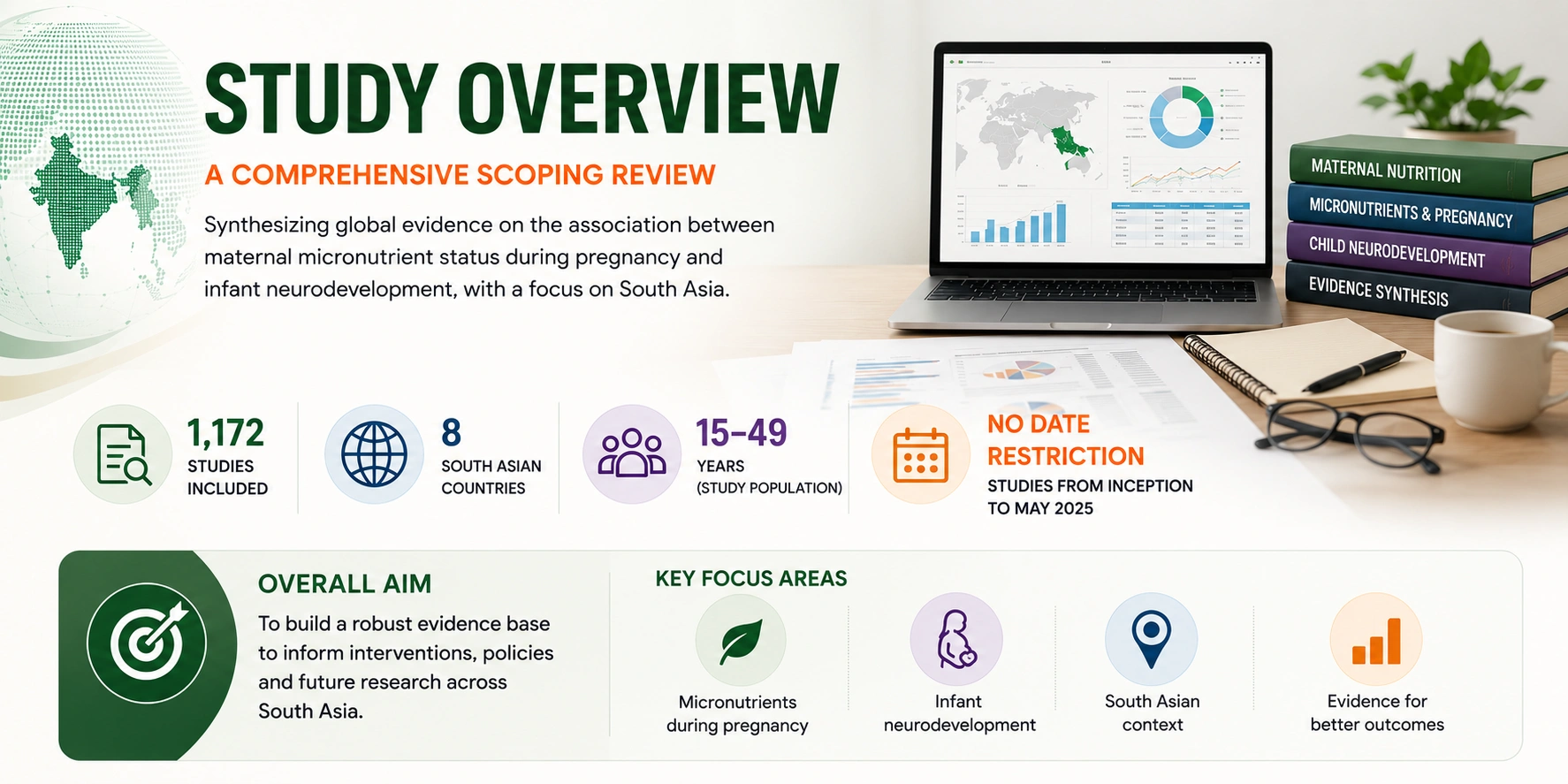
This study is part of the South Asia Collaborative for Maternal Micronutrients and Infant Neurodevelopment (SACMIND) - a multi-country research initiative aimed at understanding how maternal nutrition during pregnancy influences infant brain development.
It systematically maps existing scientific evidence on micronutrient deficiencies and their impact on early neurodevelopment, with a focus on South Asia.
This work lays the foundation for future research, interventions, and policy decisions in maternal and child health.

The Problem
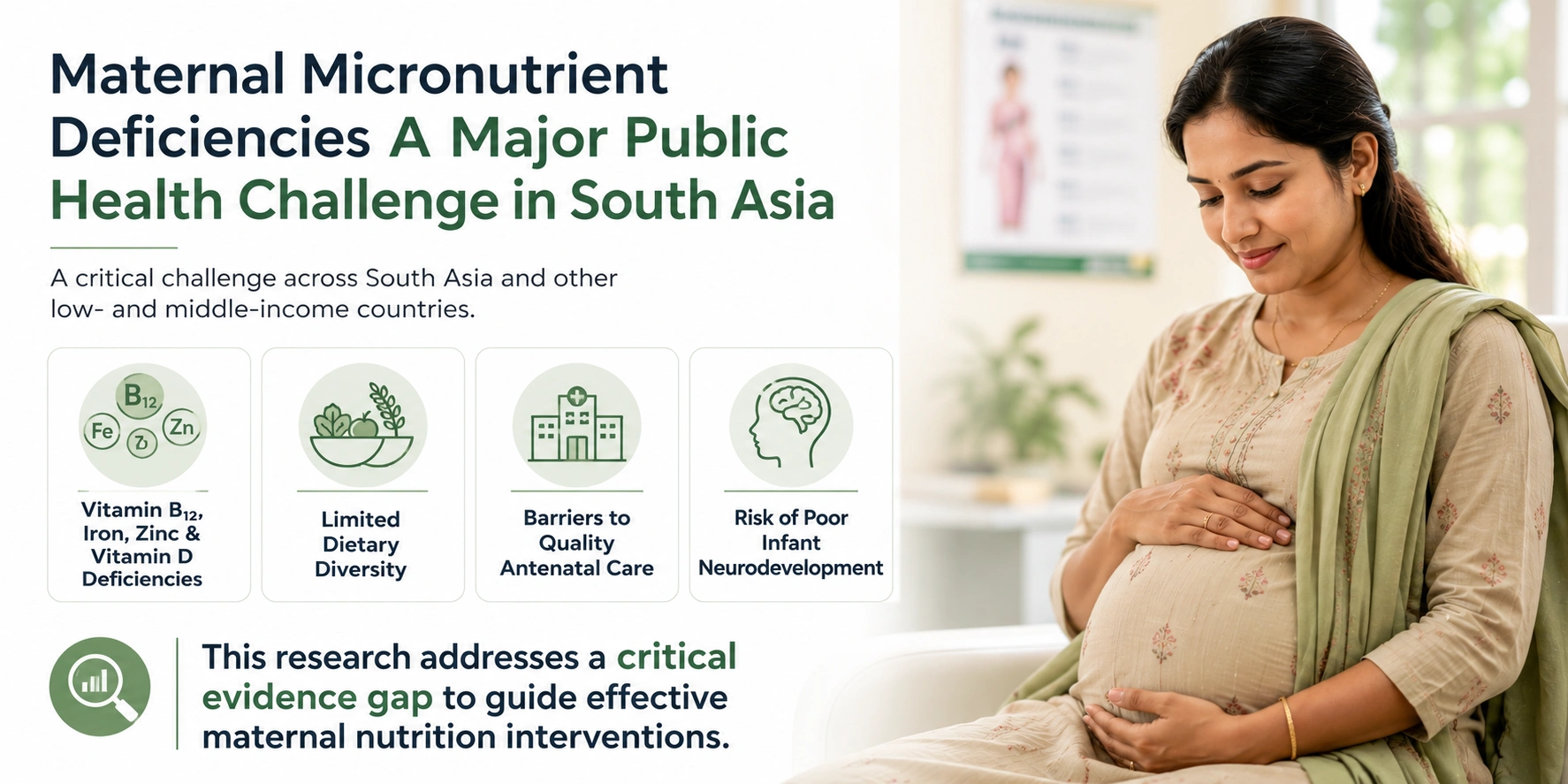
Maternal micronutrient deficiencies remain a major public health challenge in low- and middle-income countries, particularly in South Asia.
Despite extensive research, evidence remains fragmented and inconsistent, making it difficult to design effective interventions.
This research addresses a critical evidence gap at scale.
Objective
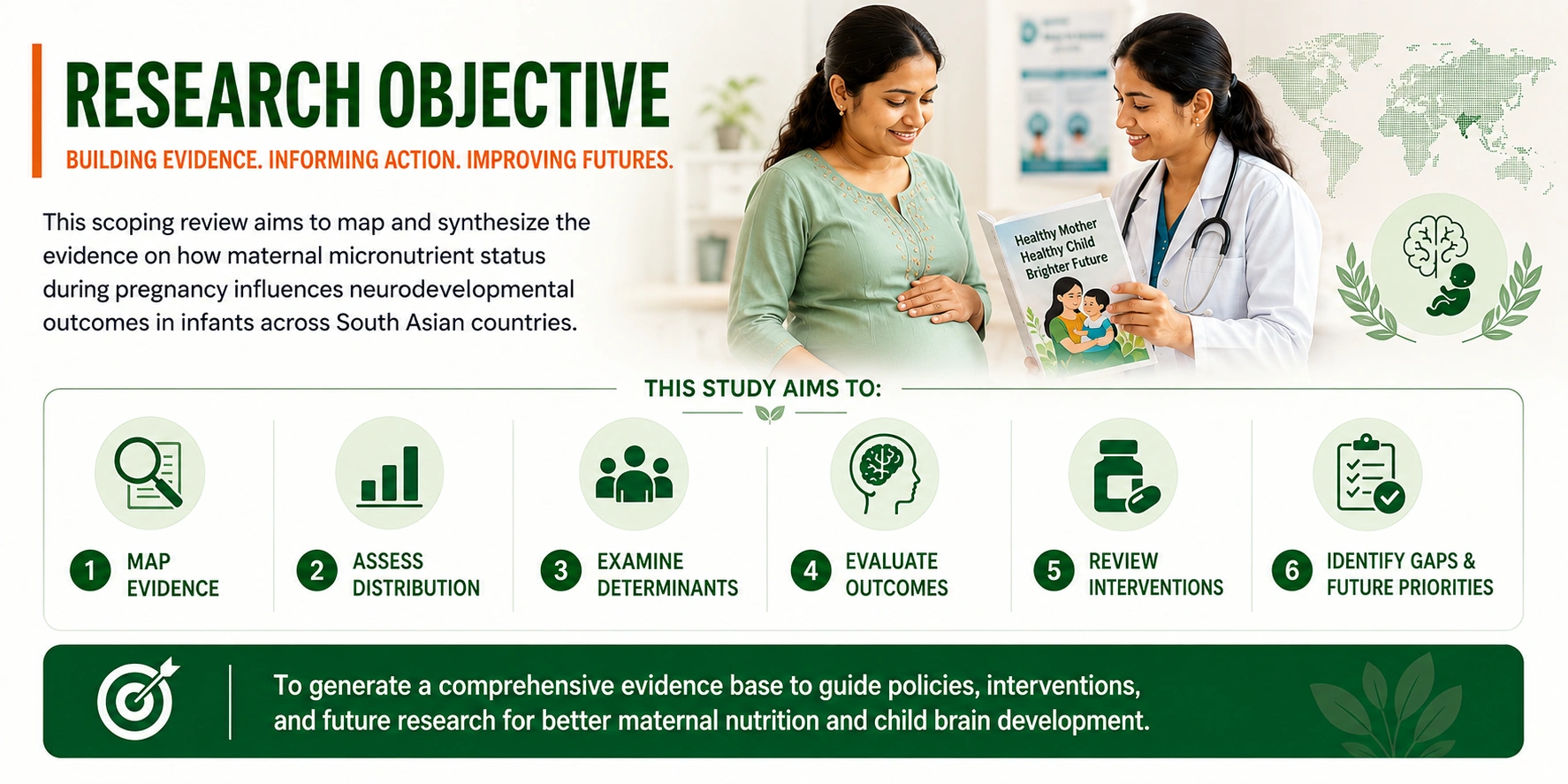
This scoping review aims to:
Highlight research gaps and future priorities
Study Design & Methodology
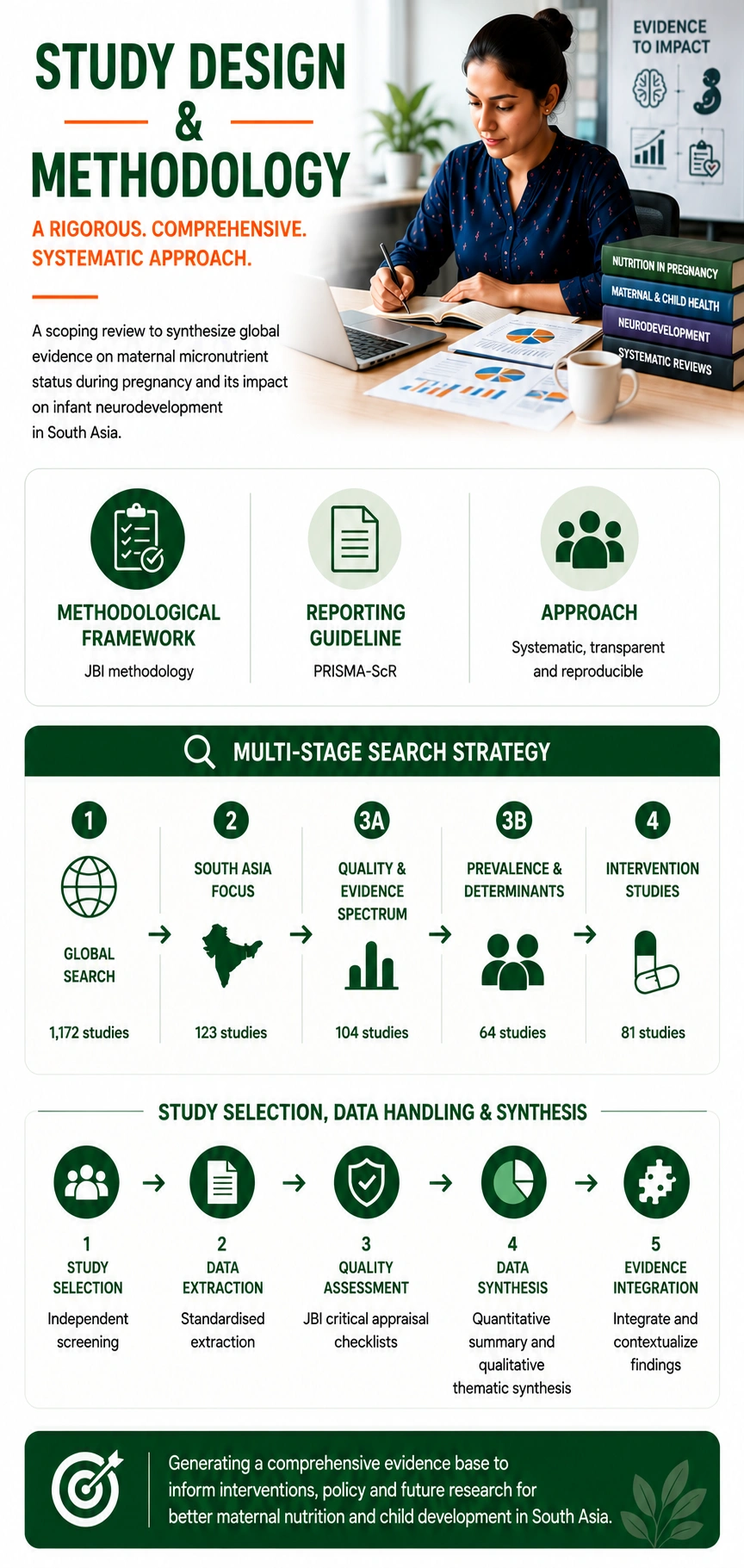
This study follows internationally recognised methodologies to ensure robust and reliable evidence synthesis:
Analysis of 12,000+ research records across global databases
Inclusion of both published and grey literature
Multi-database search (PubMed, Embase, Cochrane, Google Scholar, etc.)
Dual independent review for study selection and data extraction
Intervention:
Outcome Measures:
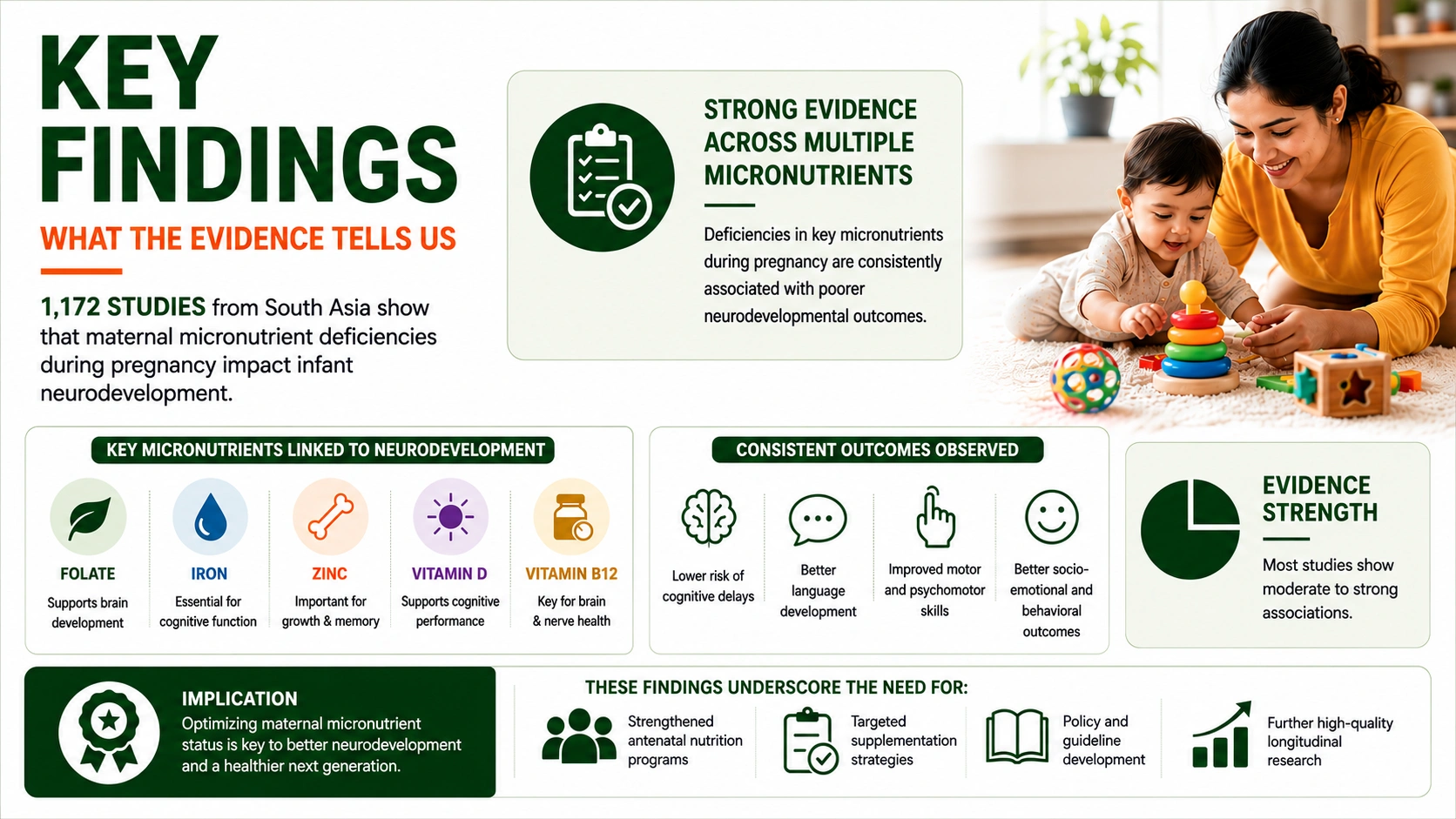
Key Findings
While the final synthesis is ongoing, this study is expected to:
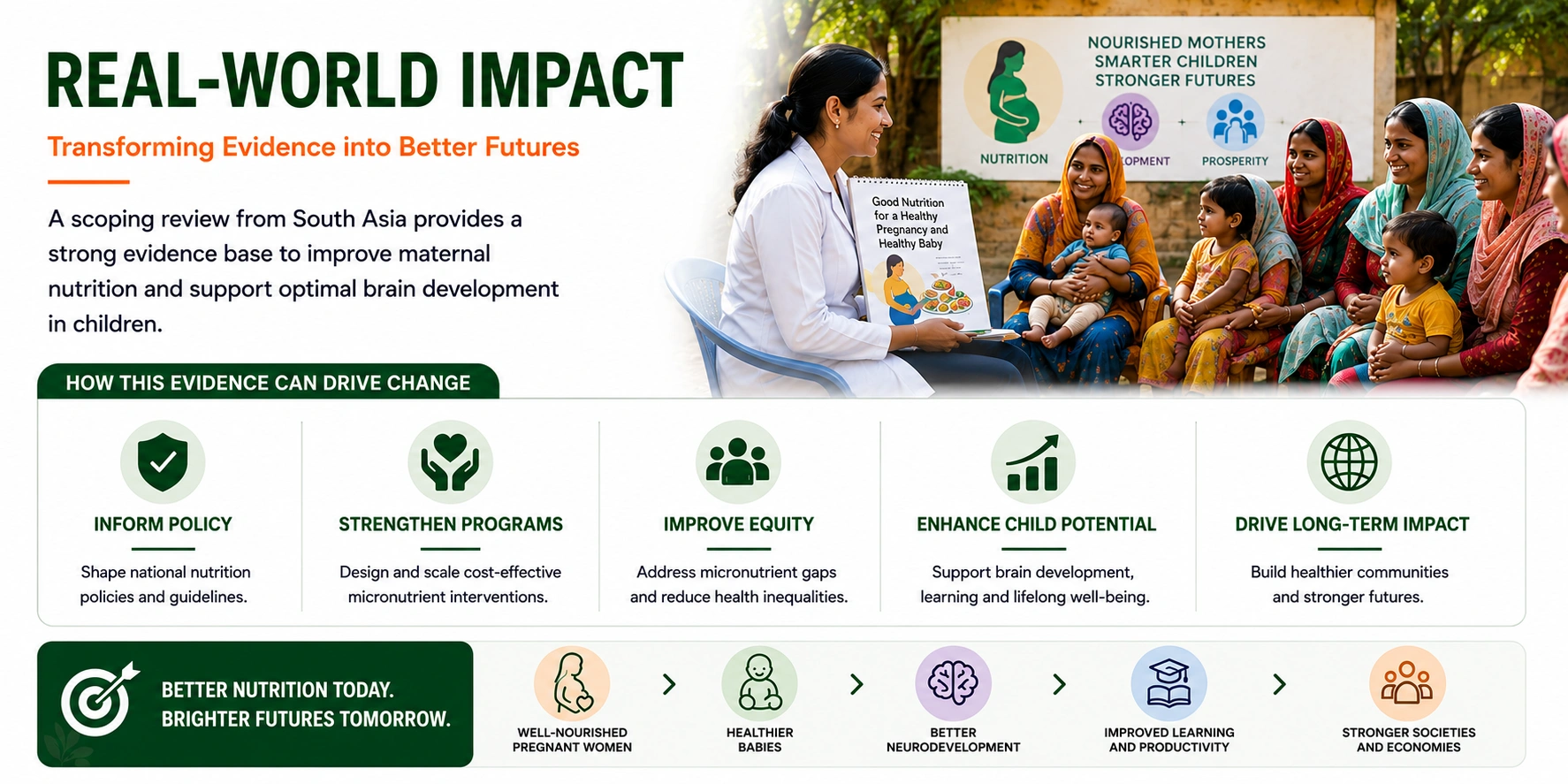
Impact
This research is designed to move beyond academic insight and directly inform maternal and child health strategies across South Asia. By idntifying key micronutrient gapse and their impact on infant neurodevelopment, the study will:
Highlight
Improving maternal nutrition during pregnancy has the potential to significantly influence cognitive outcomes in the next generation.
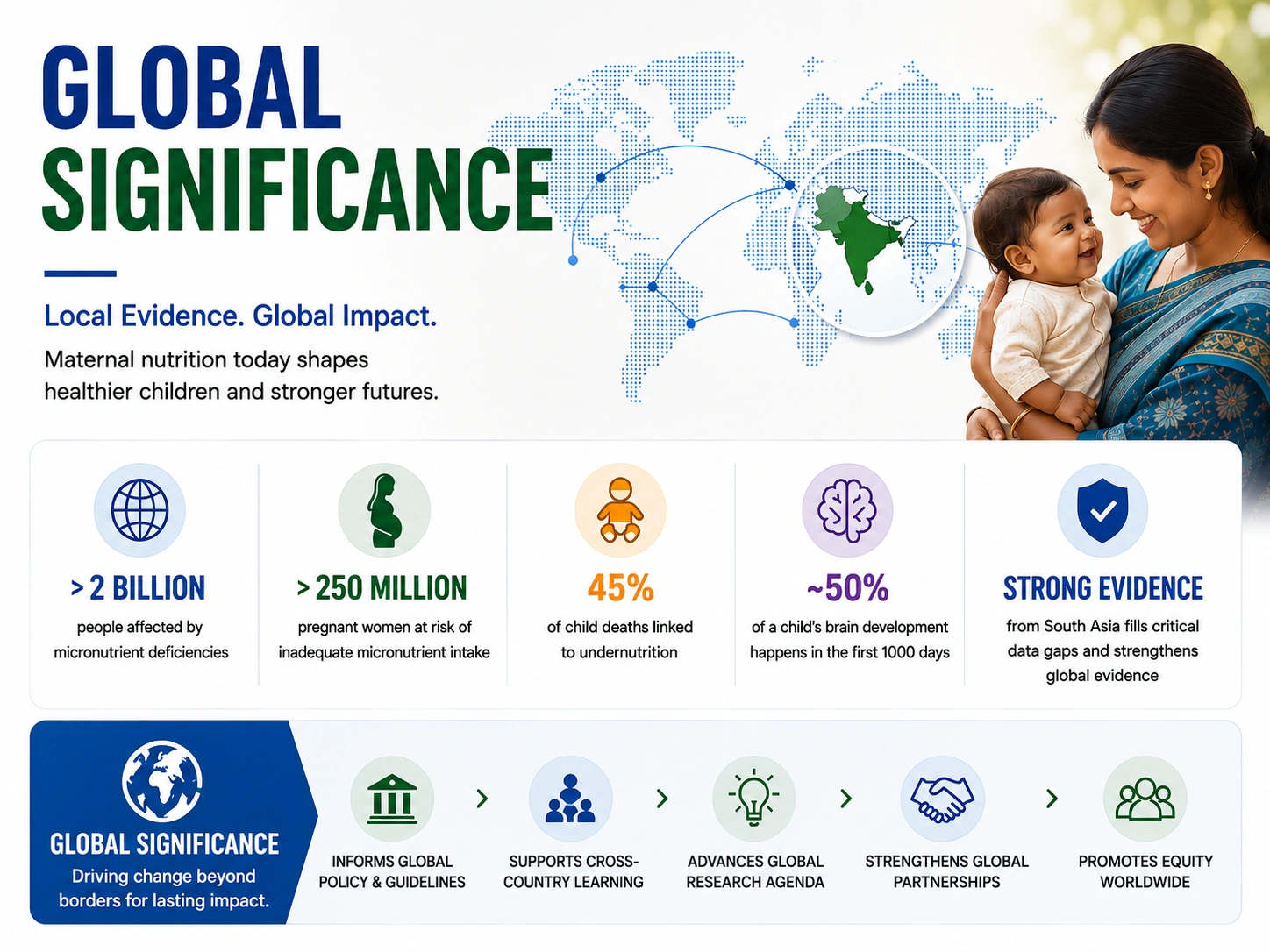
Global Significance
Addresses a high-burden yet under-synthesised problem
Provides region-specific insights with global applicability
Aligns with WHO priorities on maternal nutrition
Creates a foundation for >evidence-based policy frameworks
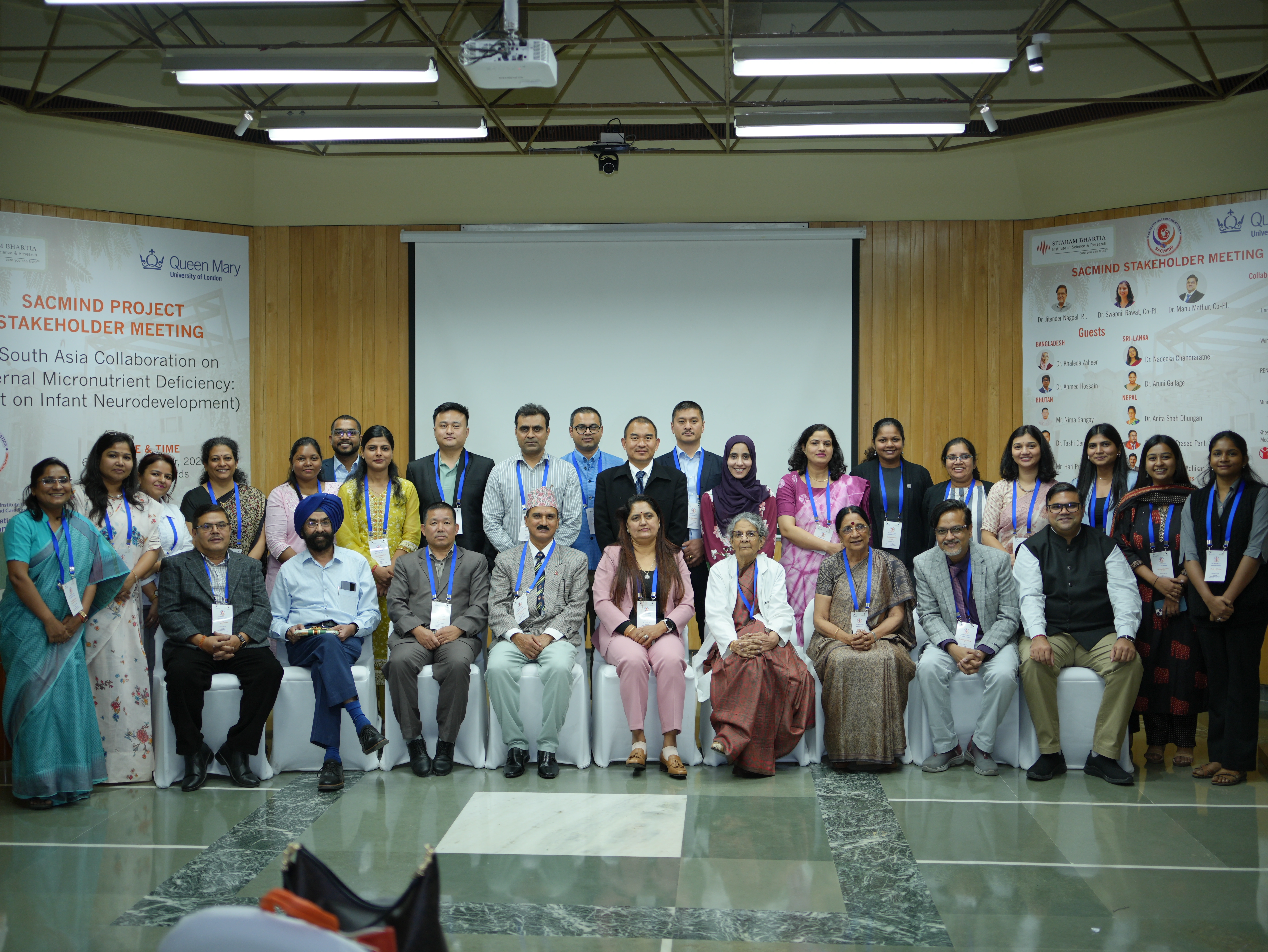
This study is led by a multidisciplinary team of researchers and clinicians with expertise in:
The research is anchored at Sitaram Bhartia Institute of Science and Research, in collaboration with leading international institutions including Queen Mary University of London. Supported by global funding bodies such as NIHR (UK Government), ensuring strong scientific rigor and international credibility.
This research protocol is published in JMIR Research Protocols, a globally recognized, peer-reviewed journal known for its focus on high-quality study designs and transparent research methodologies.
We welcome collaborations with:
By supporting initiatives like SACMIND, you contribute to advancing research that can inform policy, strengthen healthcare systems and improve outcomes for millions of mothers and children globally.