
Improving Infant Brain Development Through Maternal Nutrition
A landmark multicentric clinical trial demonstrating how Vitamin B12 supplementation during pregnancy can significantly improve infant neurodevelopment outcomes.
A landmark multicentric clinical trial demonstrating how Vitamin B12 supplementation during pregnancy can significantly improve infant neurodevelopment outcomes.
Study Overview : MATCOBIND TRIAL
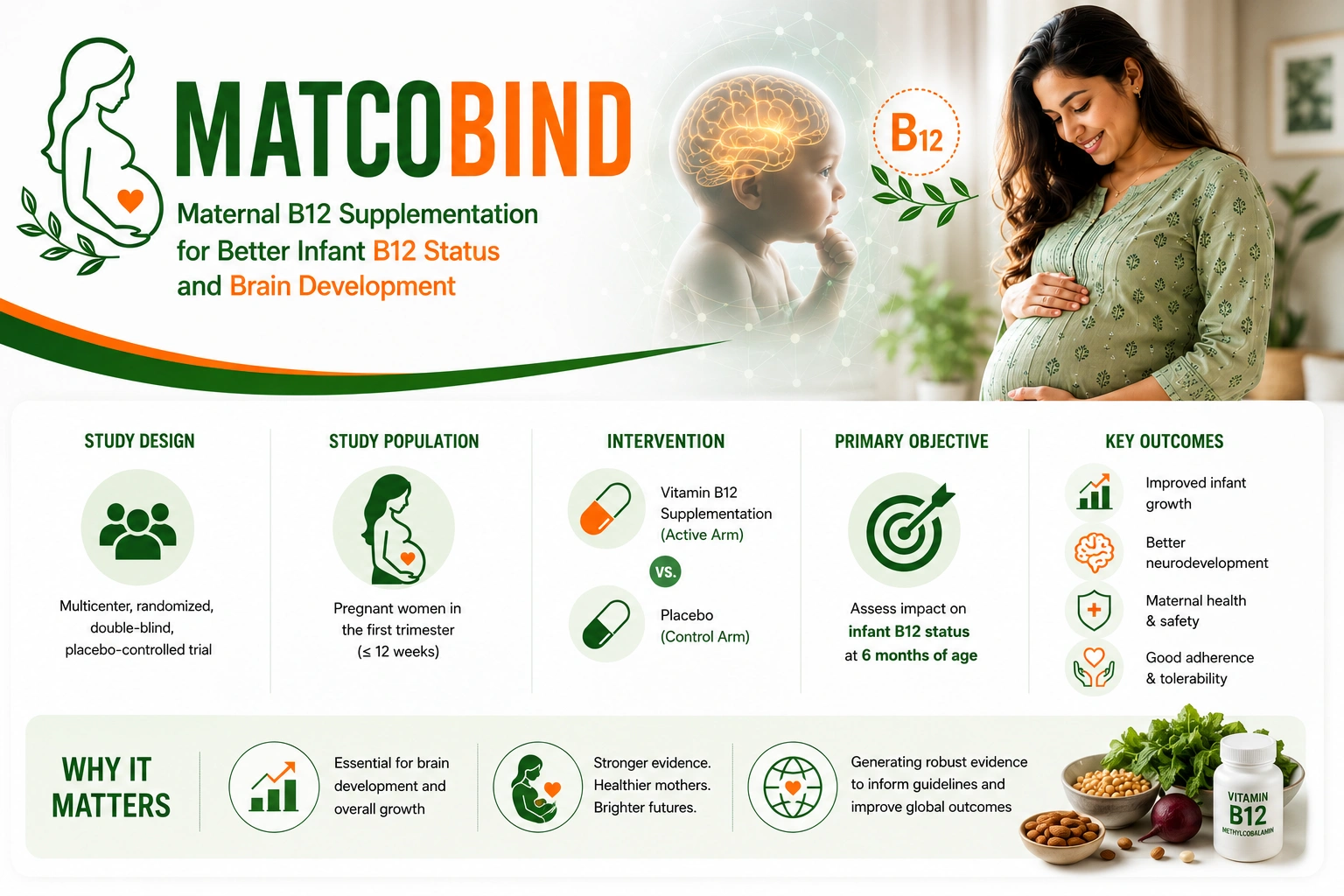
The MATCOBIND trial is a large-scale multicentric study conducted across India and Nepal to evaluate the impact of maternal Vitamin B12 supplementation on infant neurodevelopment.
The study focused on pregnant women following predominantly vegetarian diets, a population at high risk of Vitamin B12 deficiency, and assessed how targeted nutritional intervention can influence early childhood cognitive outcomes
This research bridges clinical science with real-world public health challenges.
The Problem
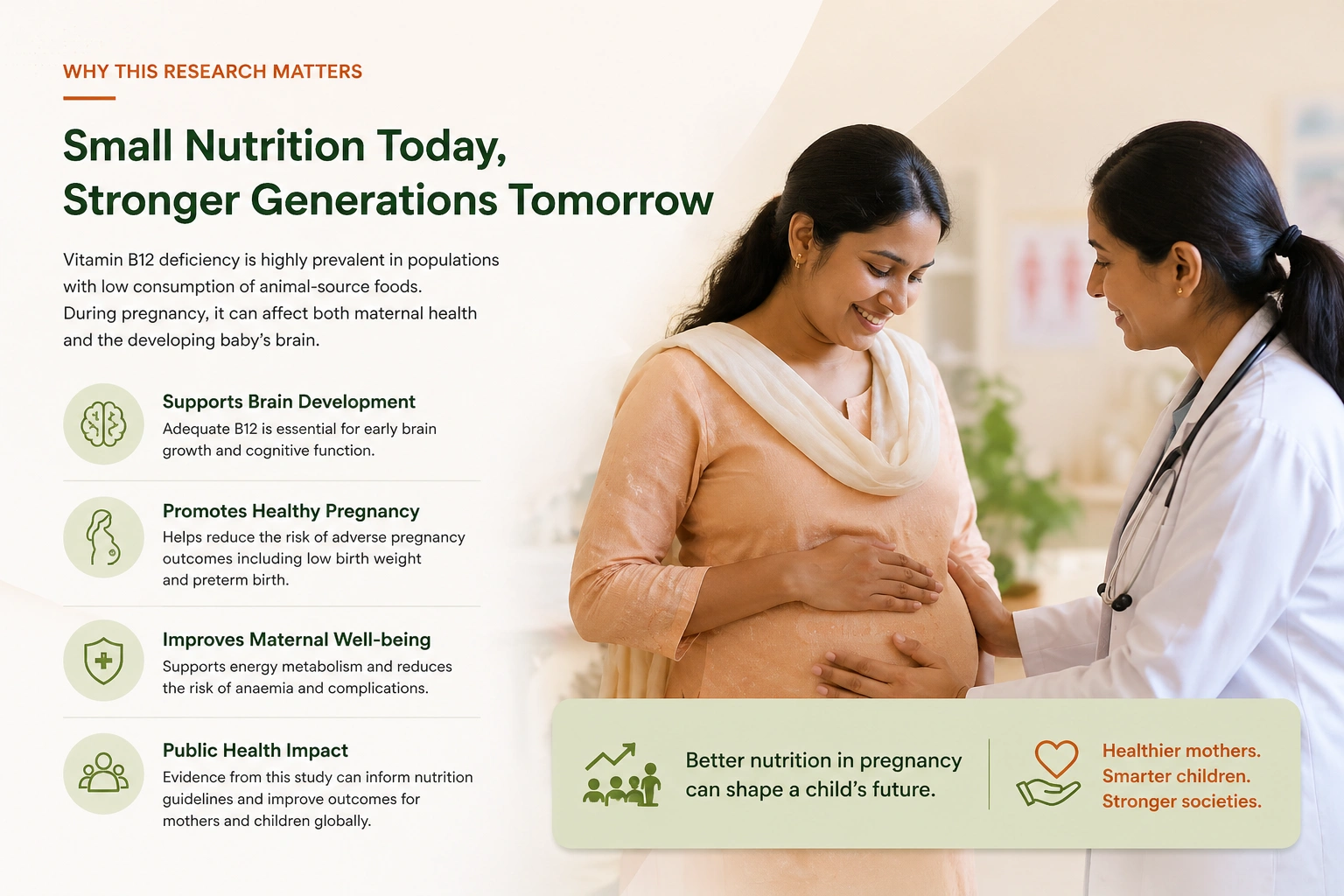
Vitamin B12 deficiency is highly prevalent in populations with low consumption of animal-source foods and has been strongly linked to:
Despite its importance, evidence on effective maternal supplementation strategies has remained limited and inconsistent across low- and middle-income settings.
his study directly addresses this critical gap.
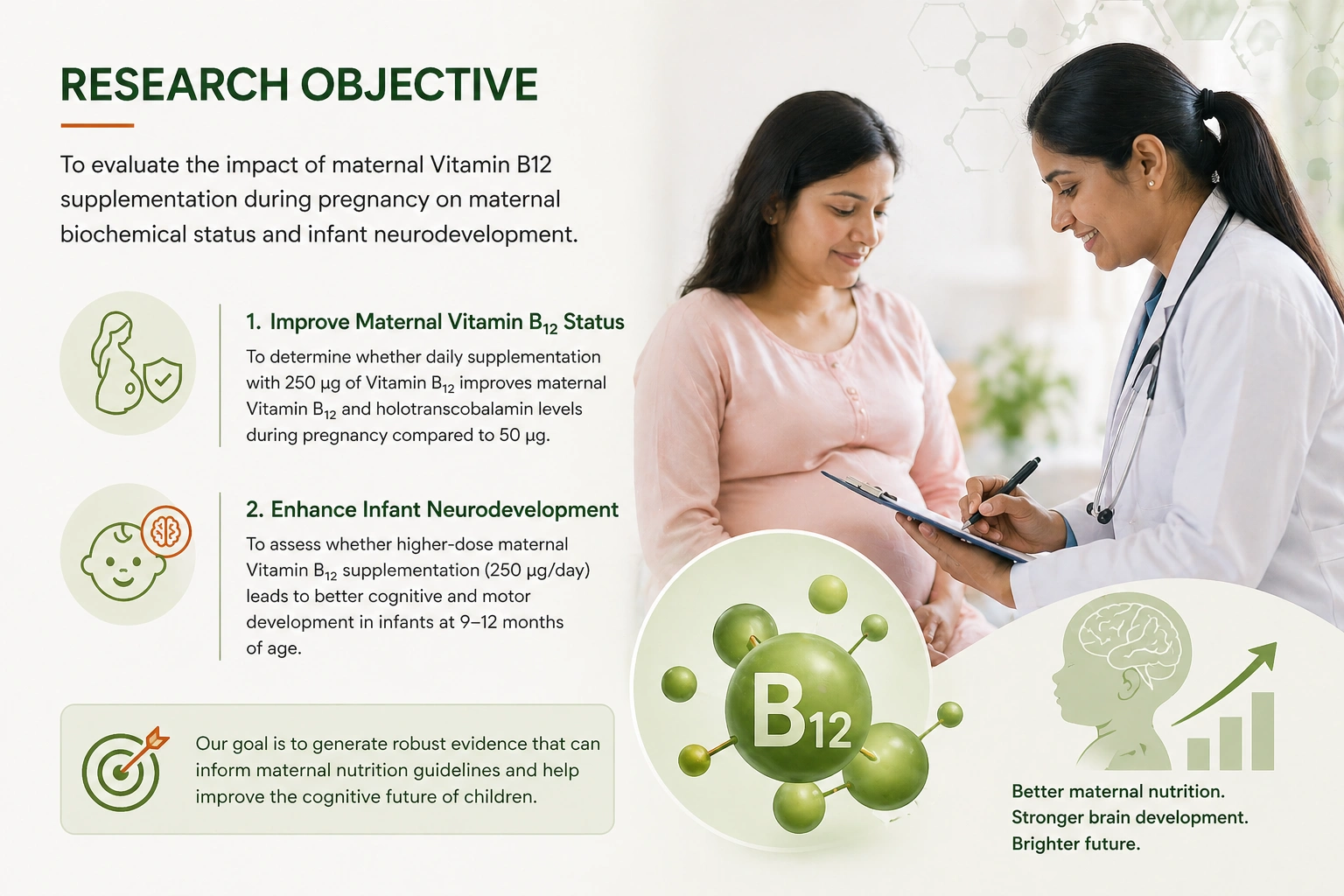
Objective
To evaluate whether higher-dose Vitamin B12 supplementation during pregnancy improves:
Highlight research gaps and future priorities
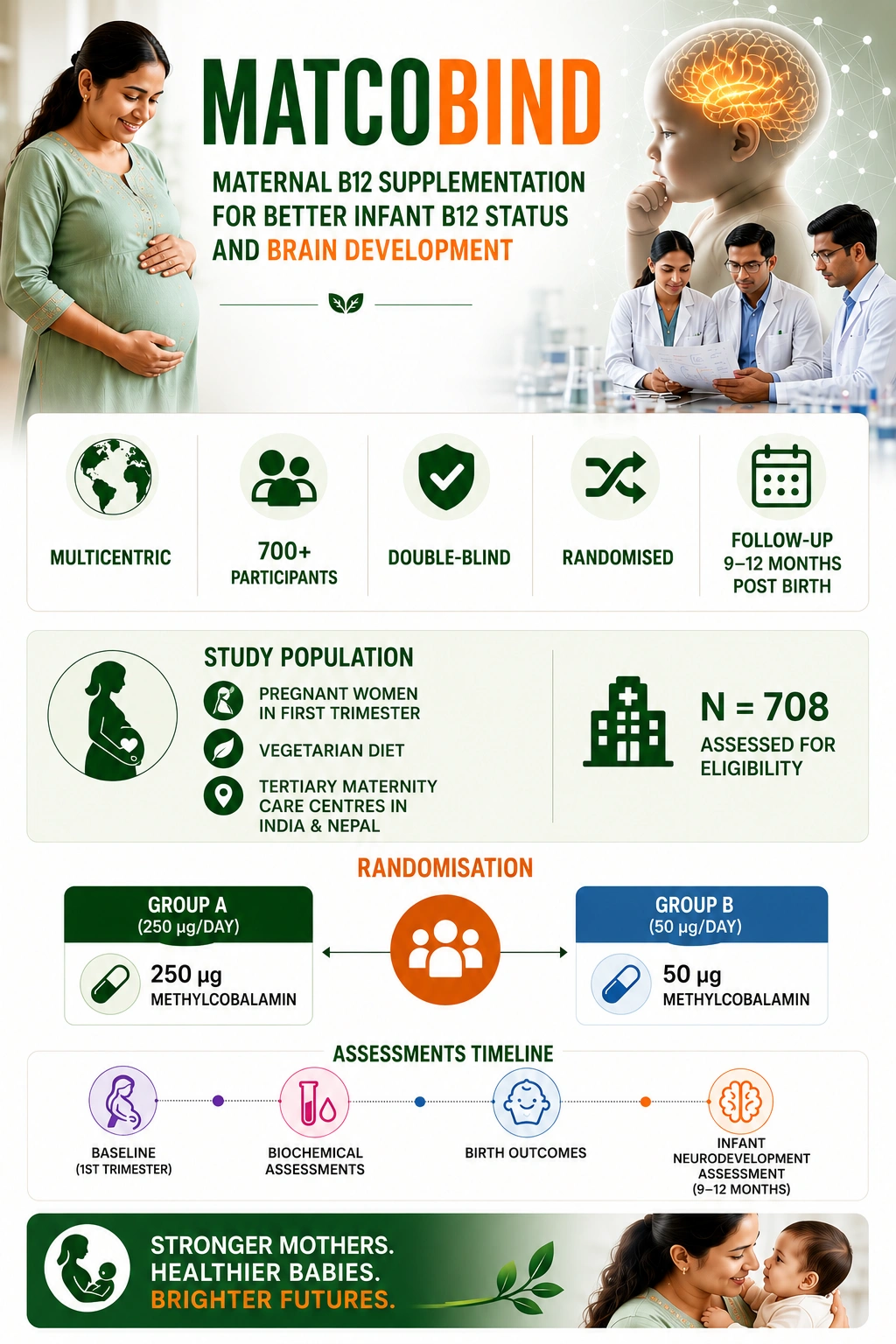
Study Design
To evaluate whether higher-dose Vitamin B12 supplementation during pregnancy improves:
Multicentric (India & Nepal)
Double-blind randomised controlled trial
700+ participants enrolled
Follow-up from pregnancy to 9–12 months post birth
Intervention:
Outcome Measures:
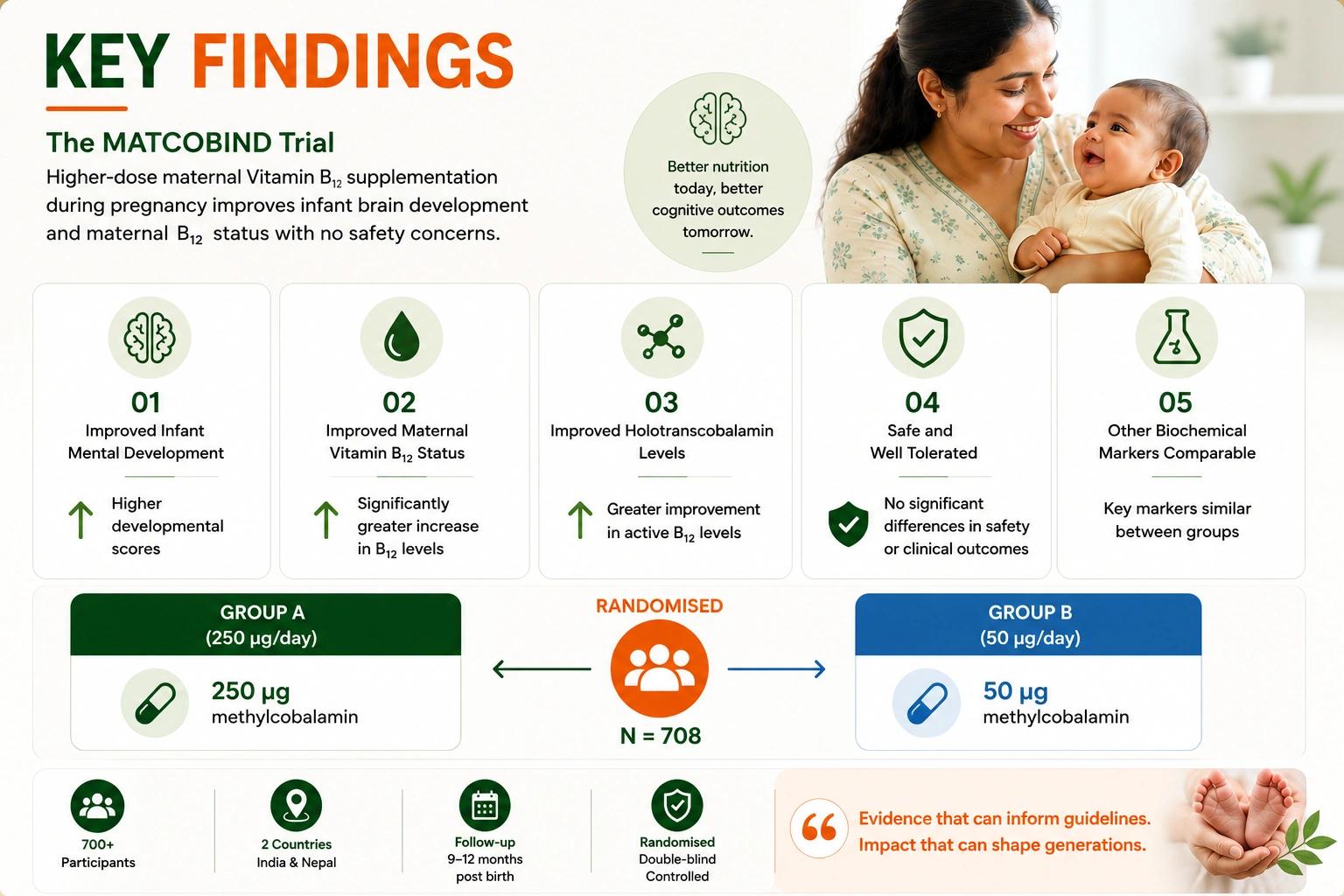
Key Findings
Infants of mothers receiving higher-dose Vitamin B12 showed significantly improved cognitive development.
The study demonstrated a clear dose-response relationship, establishing stronger clinical evidence.
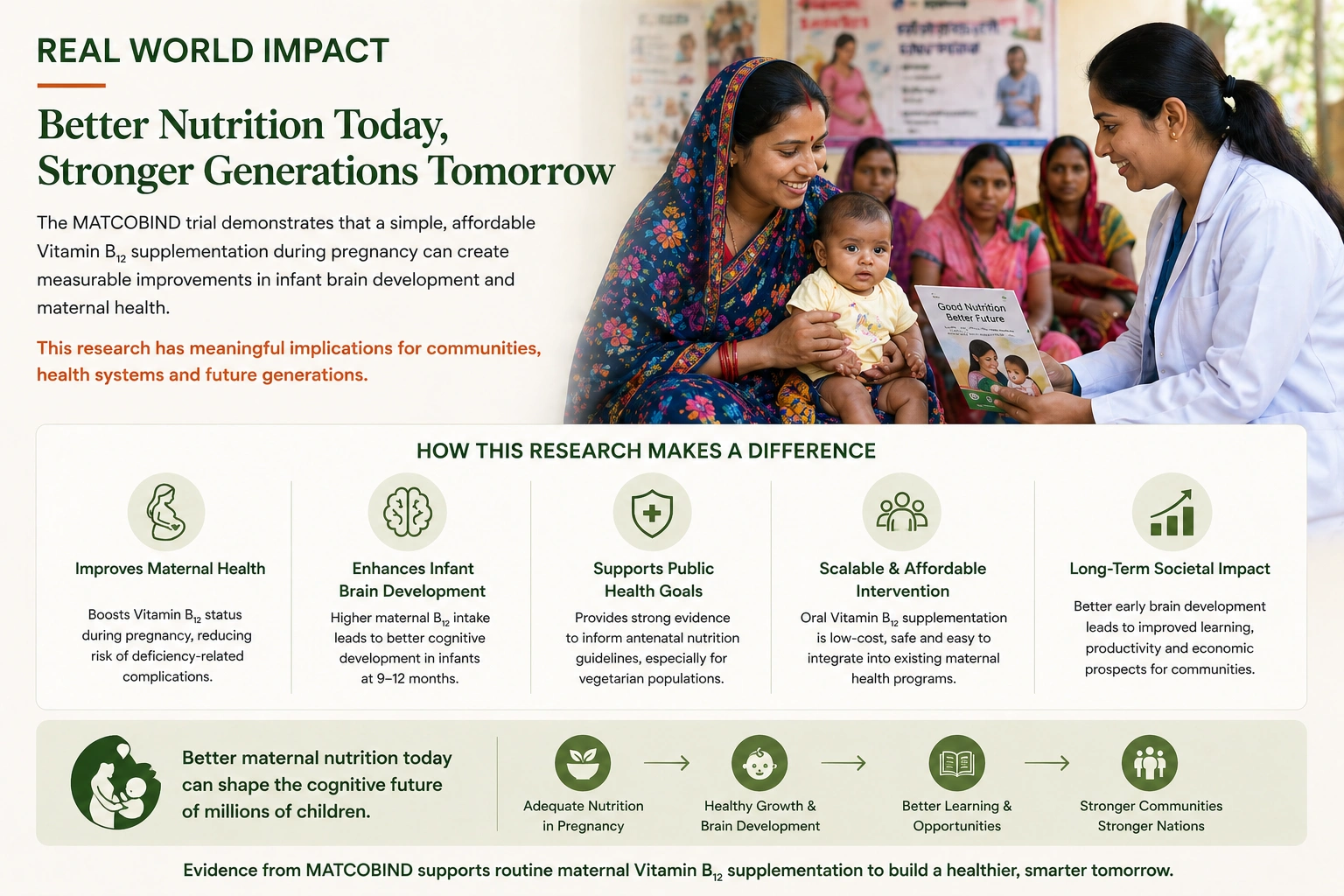
Impact
This research has direct implications for:
It supports the case for routine Vitamin B12 supplementation during pregnancy, especially in vegetarian populations.
Highlight
Improving maternal nutrition during pregnancy has the potential to significantly influence cognitive outcomes in the next generation.
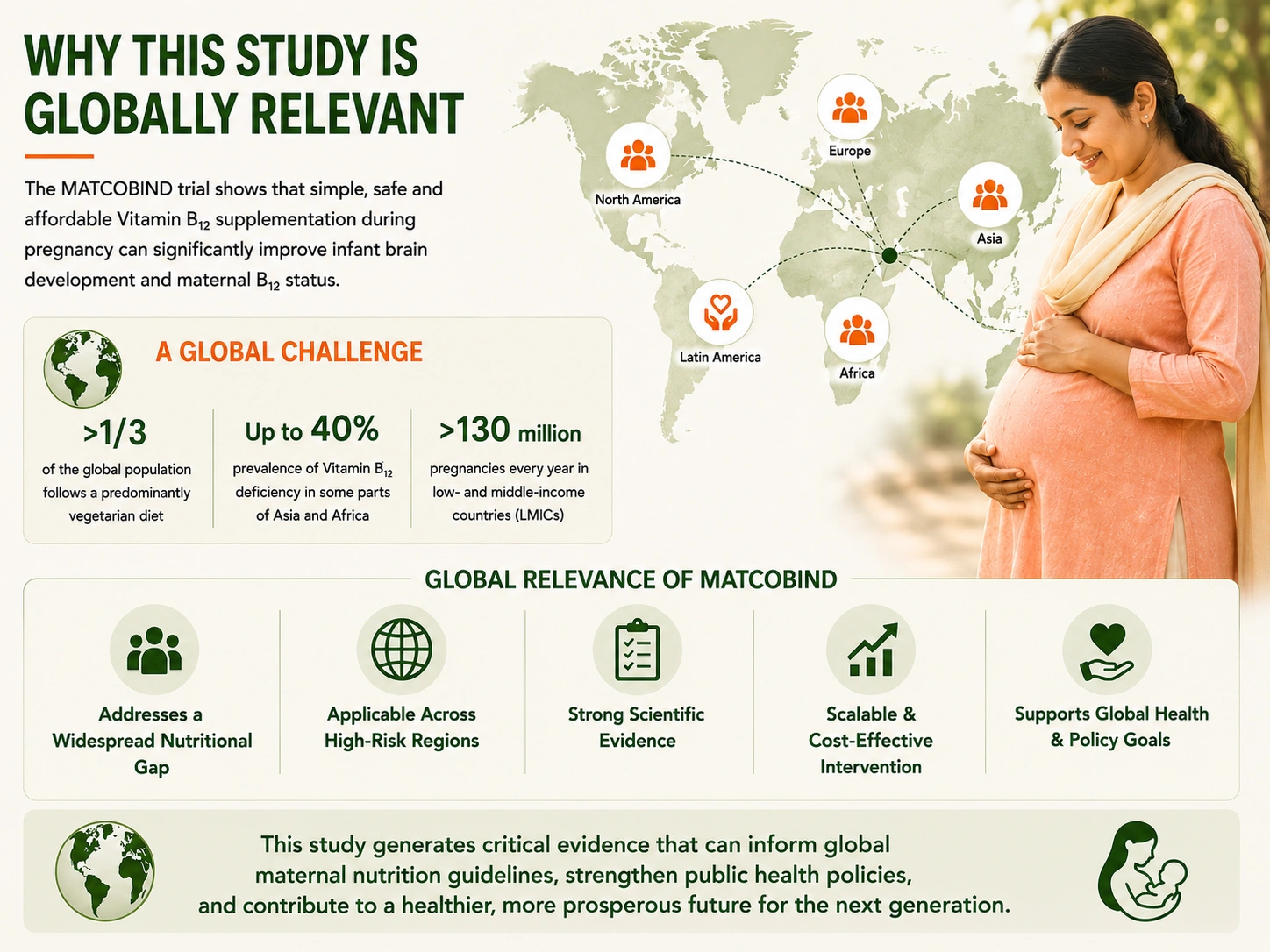
Global Significance
Addresses a widespread nutritional deficiency
Relevant across Asia, Africa, and LMICs
Scalable intervention model
Strong evidence for policy integration
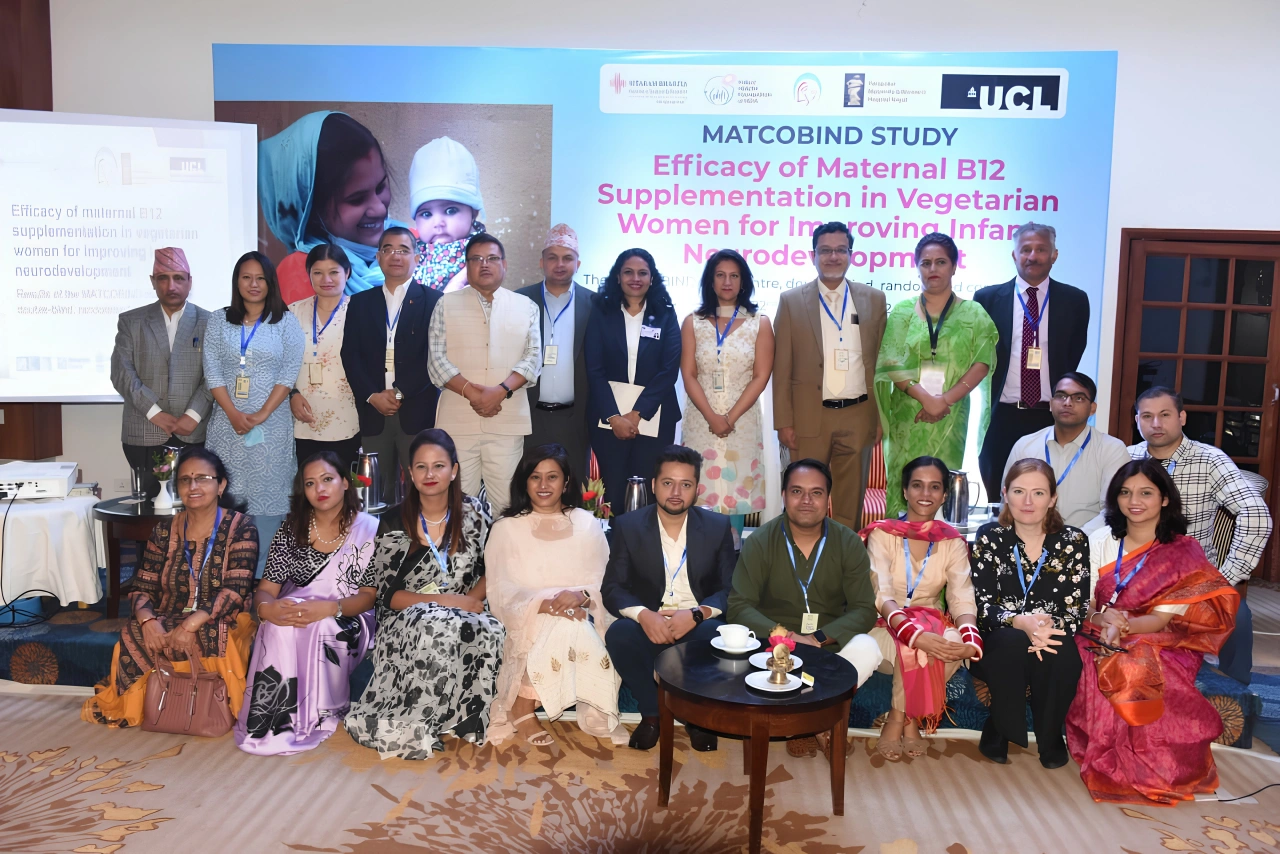
This study was led by a multidisciplinary team of clinicians and researchers with expertise in maternal and child health, nutrition, and global health systems.
he research was conducted in collaboration with international institutions and supported by leading global research bodies.
ed by Dr. Jitender Nagpal and global collaborators.
This study is published in a leading peer-reviewed international journal, ensuring scientific rigor, credibility, and global visibility.

We welcome collaborations with:
Your support can help scale evidence-based interventions that improve maternal health and shape the cognitive future of children globally.
