Quality of Diabetes Care in Urban India
A Community-Based Assessment Revealing Critical Gaps in Clinical Management and Preventive Care
Scroll
A Community-Based Assessment Revealing Critical Gaps in Clinical Management and Preventive Care
Study Overview : DEDICOM
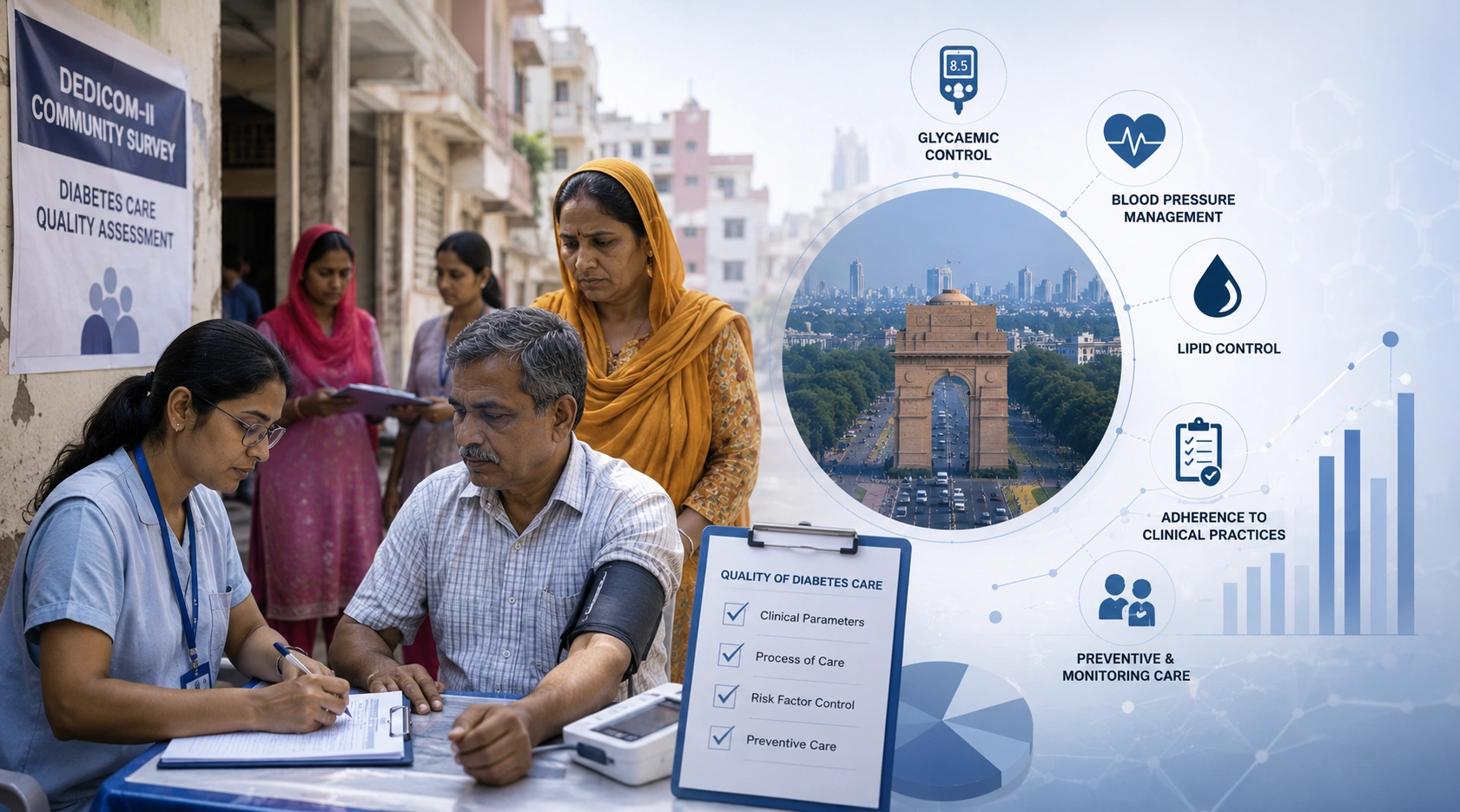
This study presents a comprehensive evaluation of the quality of diabetes care (QOC) among patients in Delhi using data from the DEDICOM-II community survey.
Unlike facility-based studies, this research captures real-world care delivery across diverse socio-economic groups, reflecting how diabetes is actually managed outside structured healthcare systems.
It provides critical insights into:
The study highlights the disconnect between established clinical guidelines and real-world practice, offering a clear picture of care delivery at the population level.
The Problem
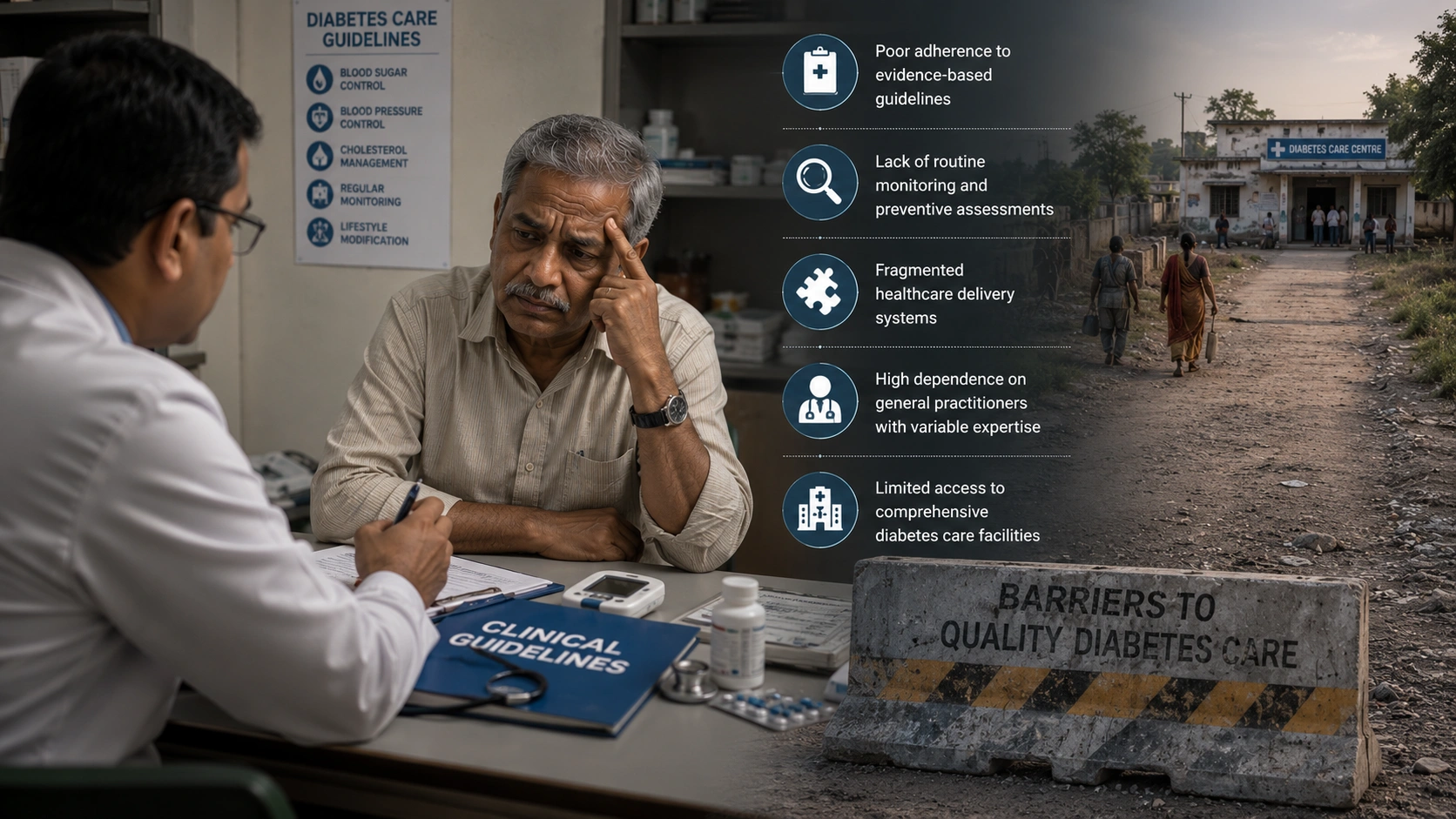
Despite well-established standards for diabetes management, their translation into routine care remains significantly deficient, especially in low- and middle-income settings.
Key challenges include:
In India, community-level data on quality of care is scarce, making it difficult to measure performance, identify gaps, and drive improvement.
Objective
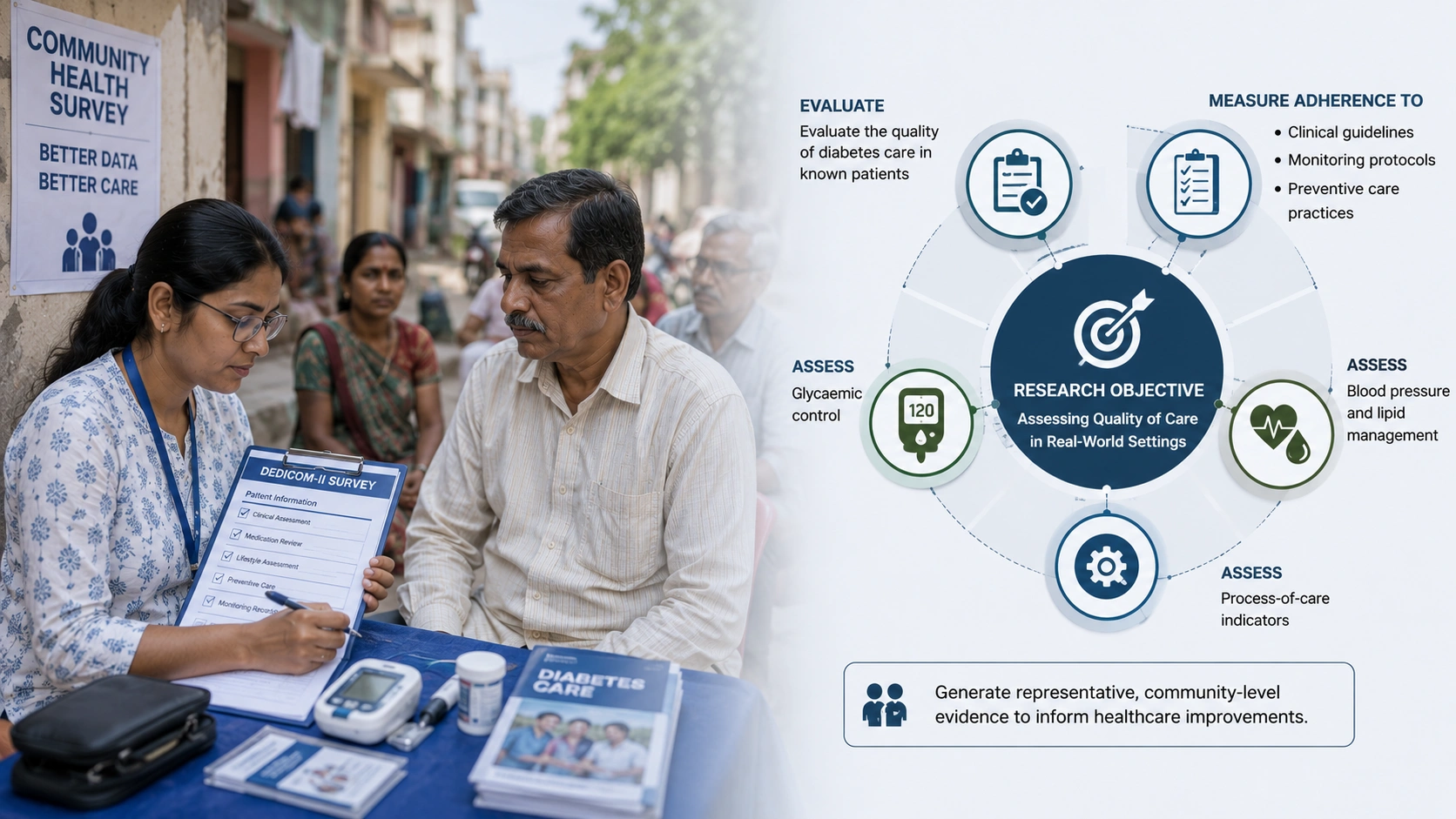
The primary objective of the study is to:
The study aims to generate representative, community-level evidence to inform healthcare improvements.
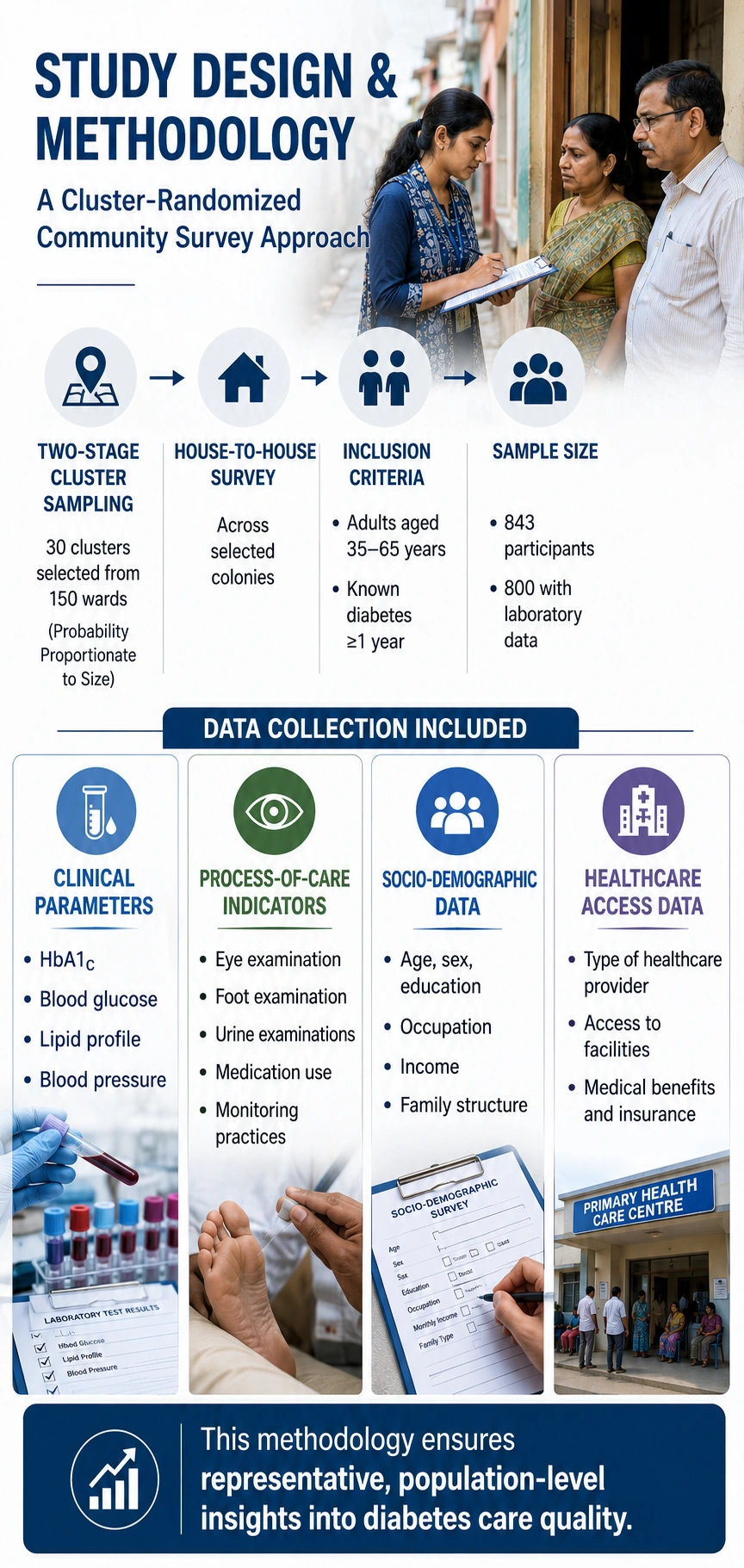
Study Design & Methodology
Intervention:
The study was conducted using a two-stage cluster randomized sampling design across Delhi.
Key Methodology Elements:
Data Collection Included:
This methodology ensures representative, population-level insights into diabetes care quality.
Outcome Measures:
Clinical Outcomes
Process-of-Care Outcomes
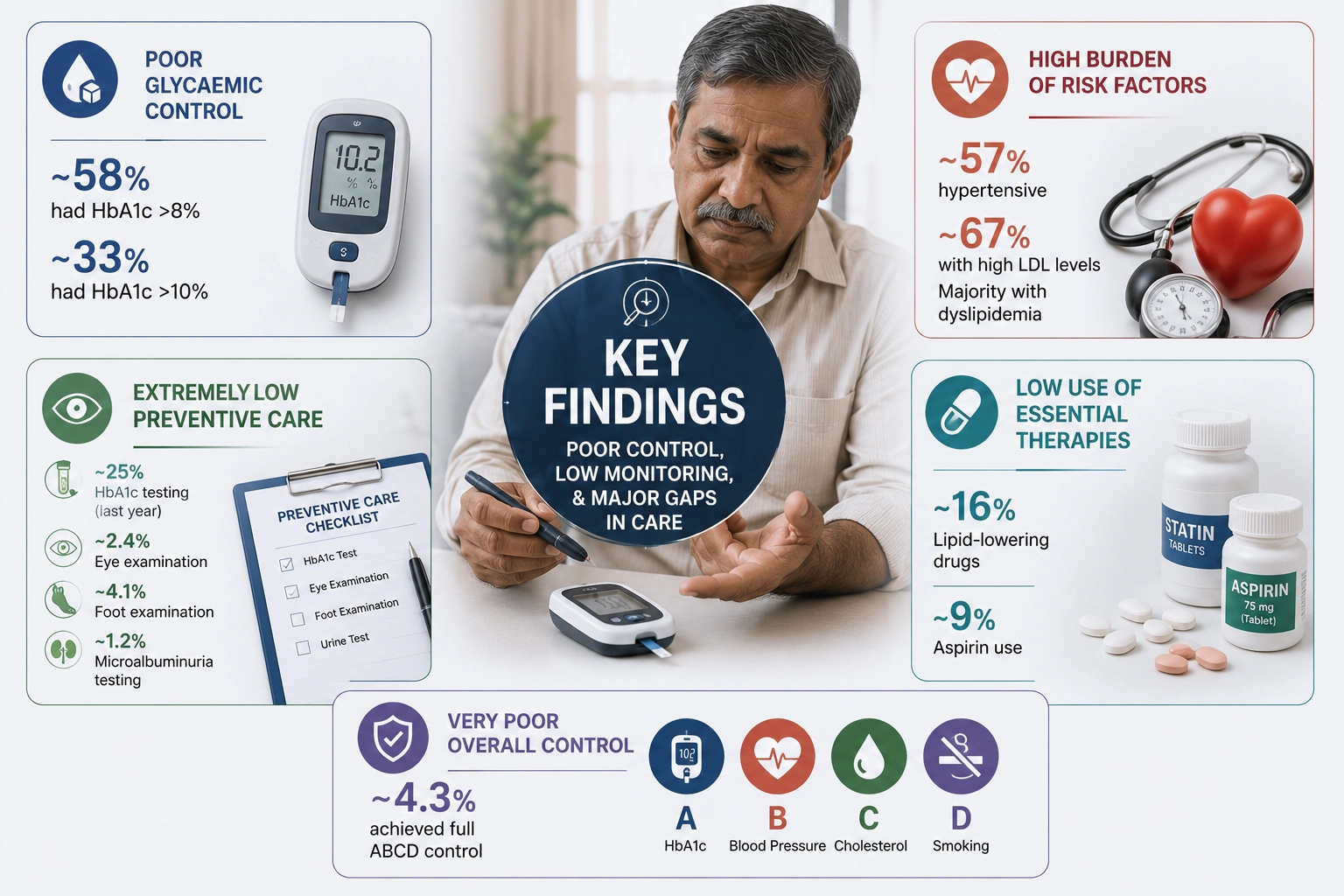
Key Findings
The study reveals a critical care gap:
Poor Glycaemic Control
High Burden of Risk Factors
Extremely Low Preventive Care
Low Use of Essential Therapies
Very Poor Overall Control
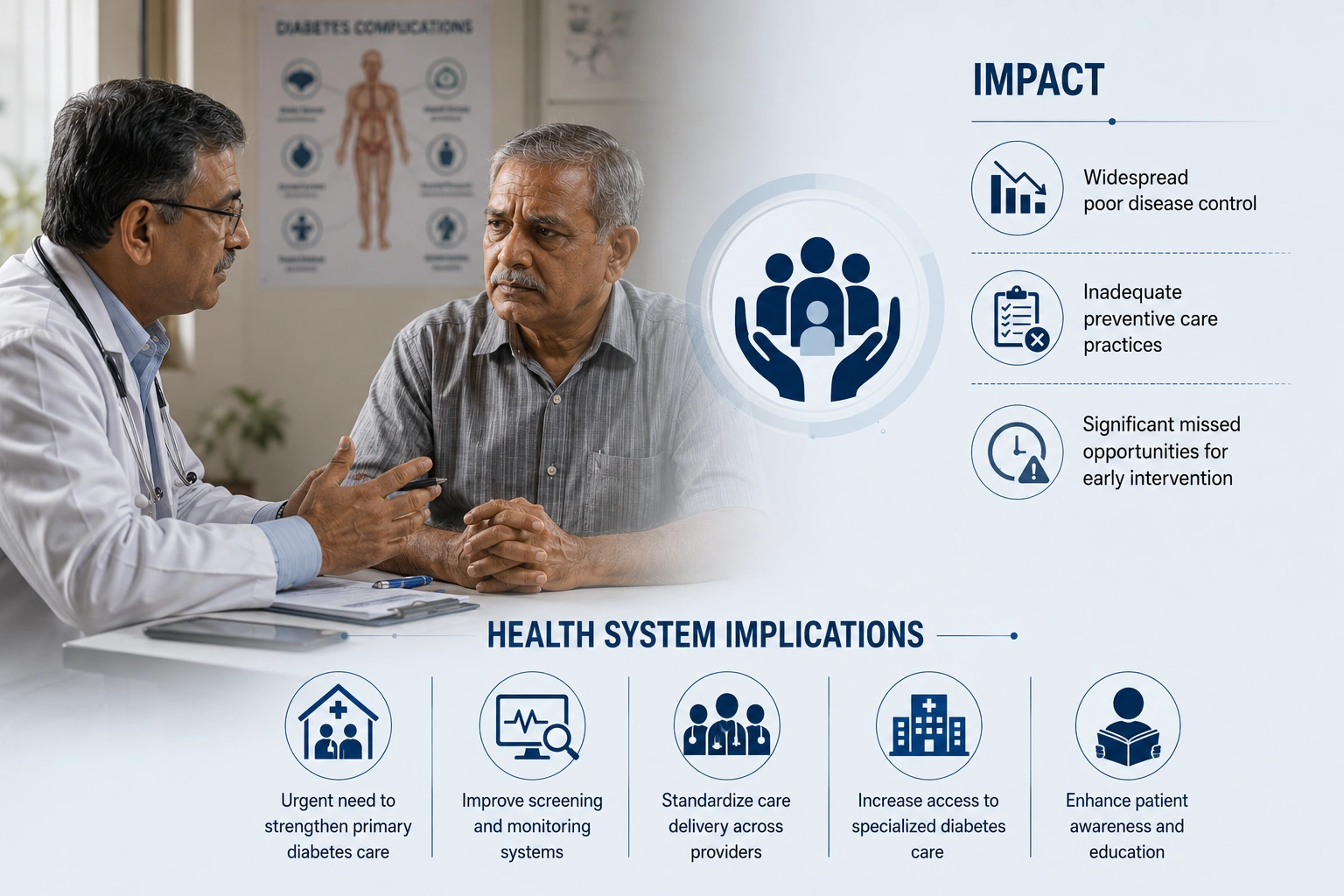
Impact
The findings indicate:
Health System Implications
Highlight
Only ~4% of patients achieved complete diabetes control-highlighting a critical gap between clinical guidelines and real-world care
Global Significance
This study has broader relevance for global health systems:
Demonstrates the gap between guidelines and implementation
Highlights challenges in community-level care delivery
Emphasizes need for standardized care systems
Reinforces importance of data-driven healthcare improvement
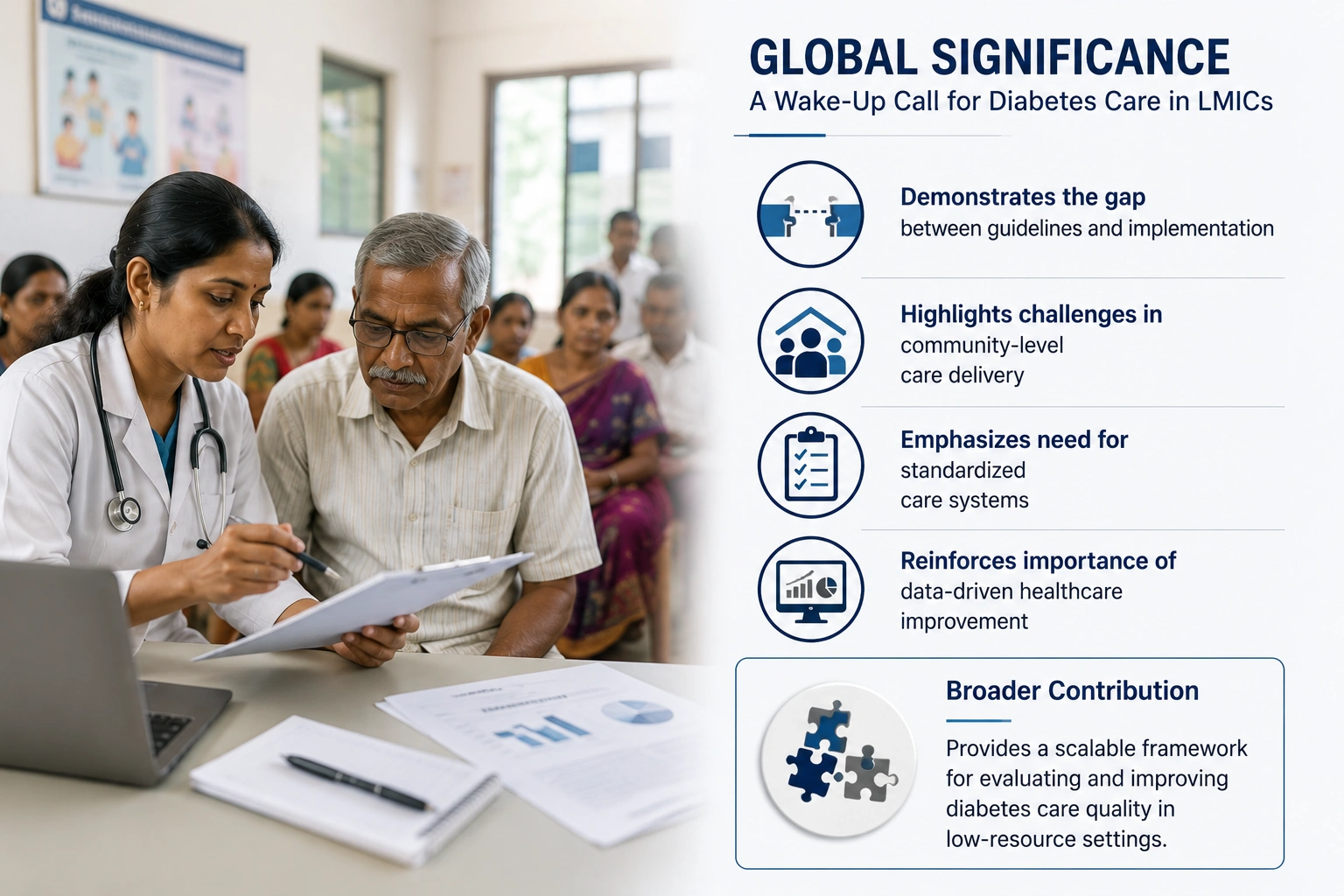
Provides a scalable framework for evaluating and improving diabetes care quality in low-resource settings

This study was conducted by researchers from:
Sitaram Bhartia Institute of Science and Research (SBISR), New Delhi
The team specializes in:
Their work focuses on generating real-world evidence to improve healthcare delivery and equity.
This is a high-impact, peer-reviewed journal, reinforcing the scientific validity and global relevance of the findings.

We welcome collaborations with:
Improving diabetes outcomes begins with improving the quality of care—at scale, and at the community level..
