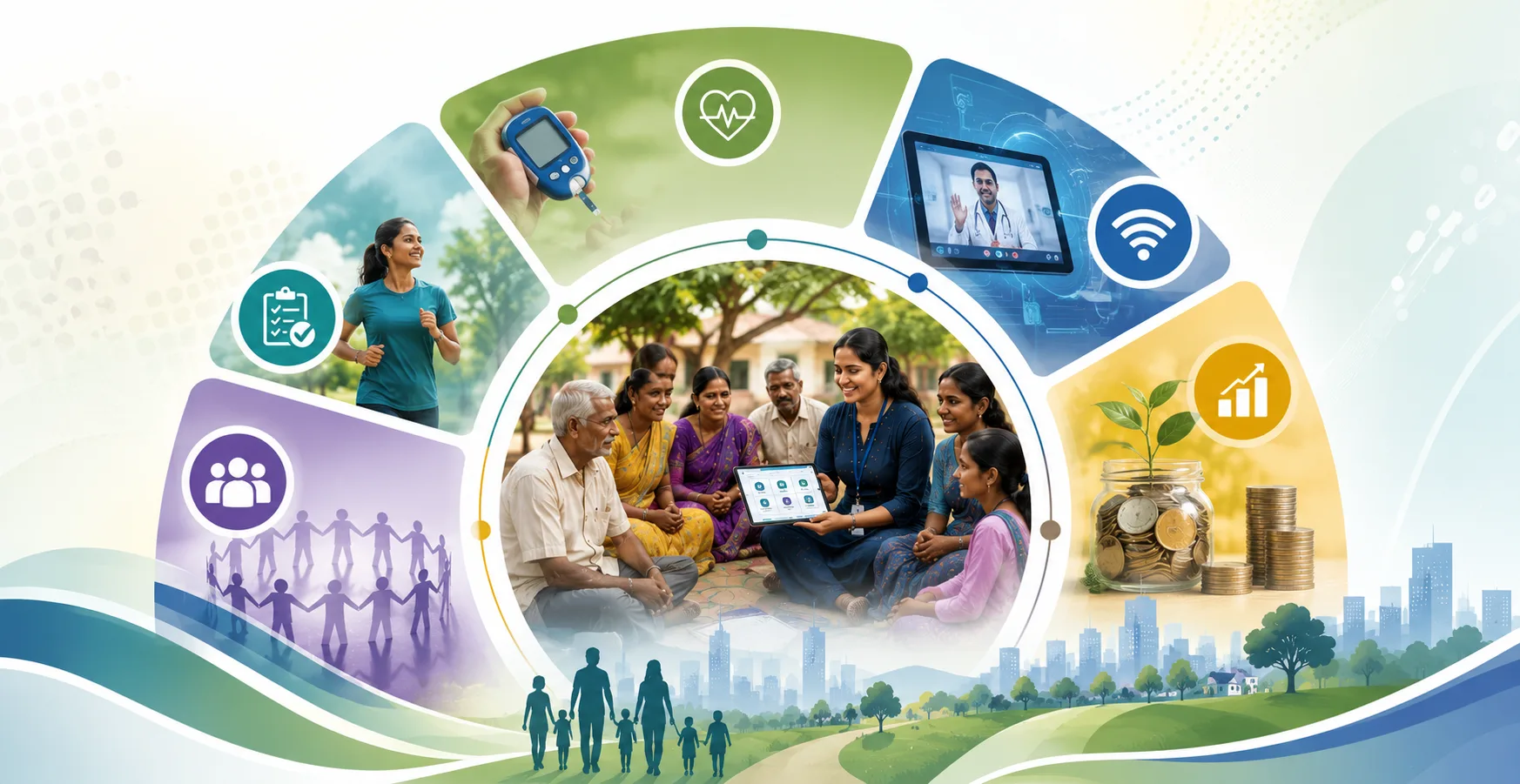
Redefining Diabetes Care Through Community Power
A scalable, evidence-based model combining education, empowerment, and digital innovation to improve outcomes in real-world settings Download Full Research
A scalable, evidence-based model combining education, empowerment, and digital innovation to improve outcomes in real-world settings Download Full Research
Study Overview : DEDINTT

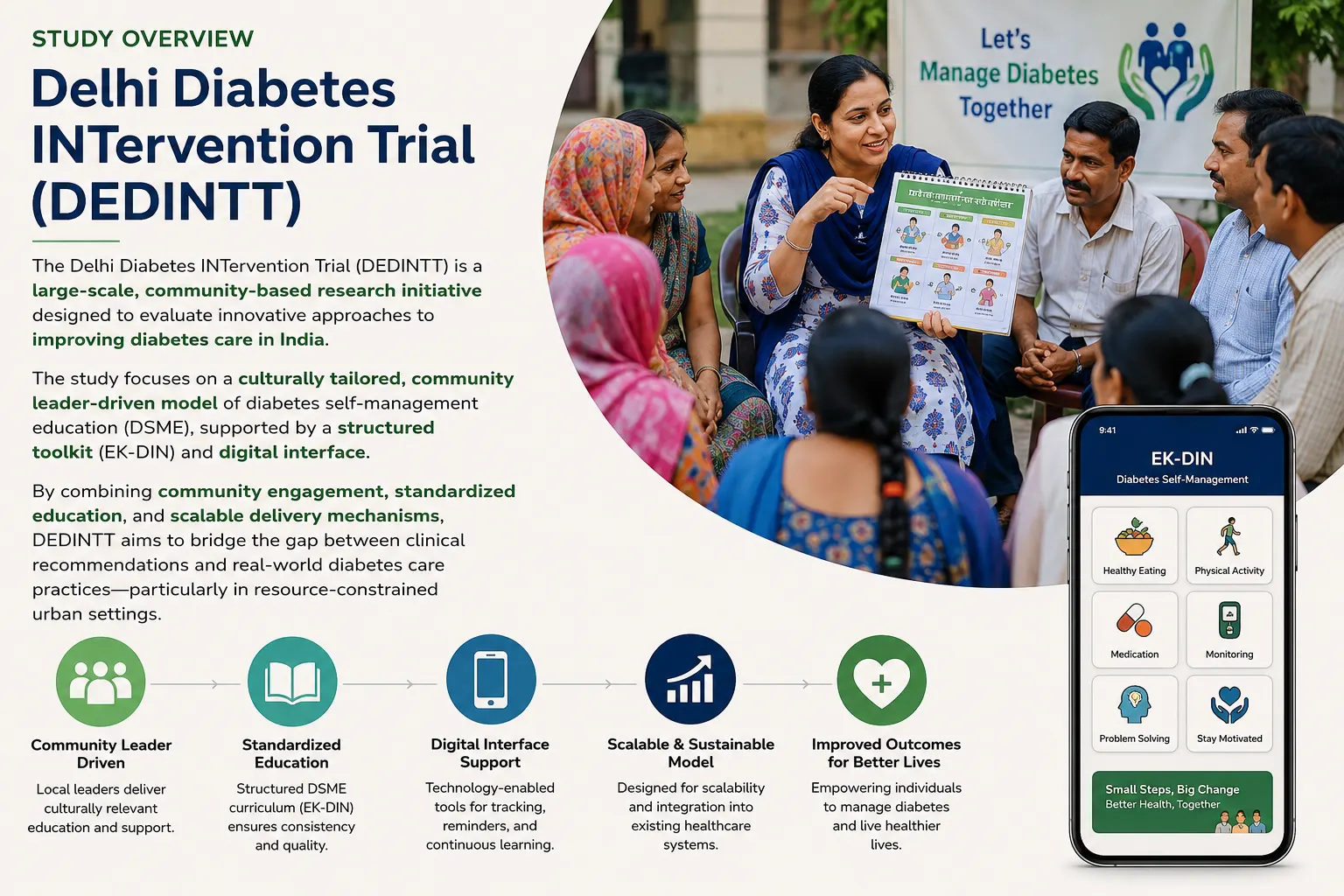
The Delhi Diabetes INTervention Trial (DEDINTT) is a large-scale, community-based research initiative designed to evaluate innovative approaches to improving diabetes care in India. The study focuses on a culturally tailored, community leader-driven model of diabetes self-management education (DSME), supported by a structured toolkit (EK-DIN) and digital interface.
By combining community engagement, standardized education, and scalable delivery mechanisms, DEDINTT aims to bridge the gap between clinical recommendations and real-world diabetes care practices—particularly in resource-constrained urban settings.
The Problem
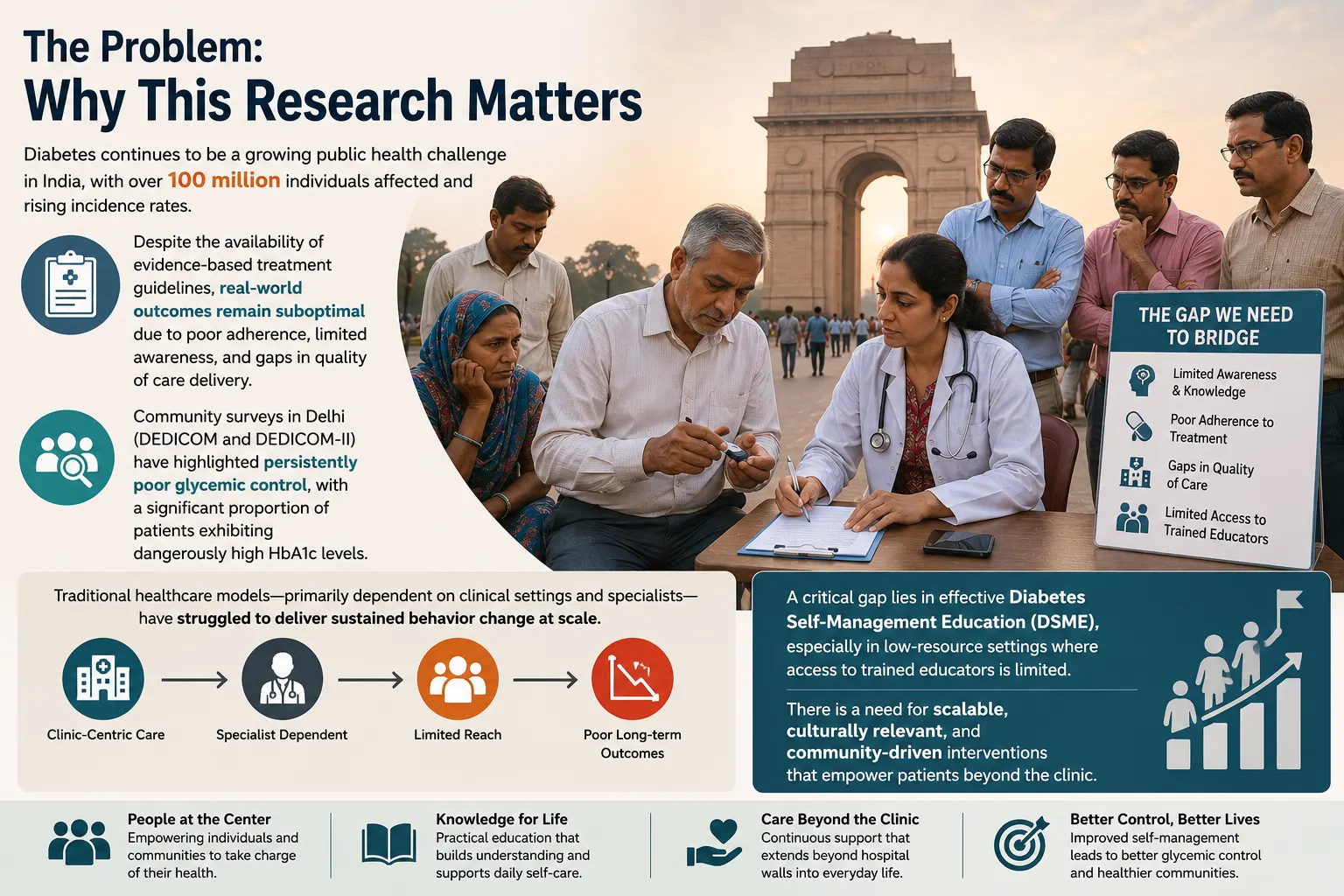
Diabetes continues to be a growing public health challenge in India, with over 100 million individuals affected and rising incidence rates. Despite the availability of evidence-based treatment guidelines, real-world outcomes remain suboptimal due to poor adherence, limited awareness, and gaps in quality of care delivery.
Community surveys in Delhi (DEDICOM and DEDICOM-II) have highlighted persistently poor glycemic control, with a significant proportion of patients exhibiting dangerously high HbA1c levels. Traditional healthcare models—primarily dependent on clinical settings and specialists—have struggled to deliver sustained behavior change at scale.
A critical gap lies in effective diabetes self-management education (DSME), especially in low-resource settings where access to trained educators is limited. There is a need for scalable, culturally relevant, and community-driven interventions that empower patients beyond the clinic.
Objective
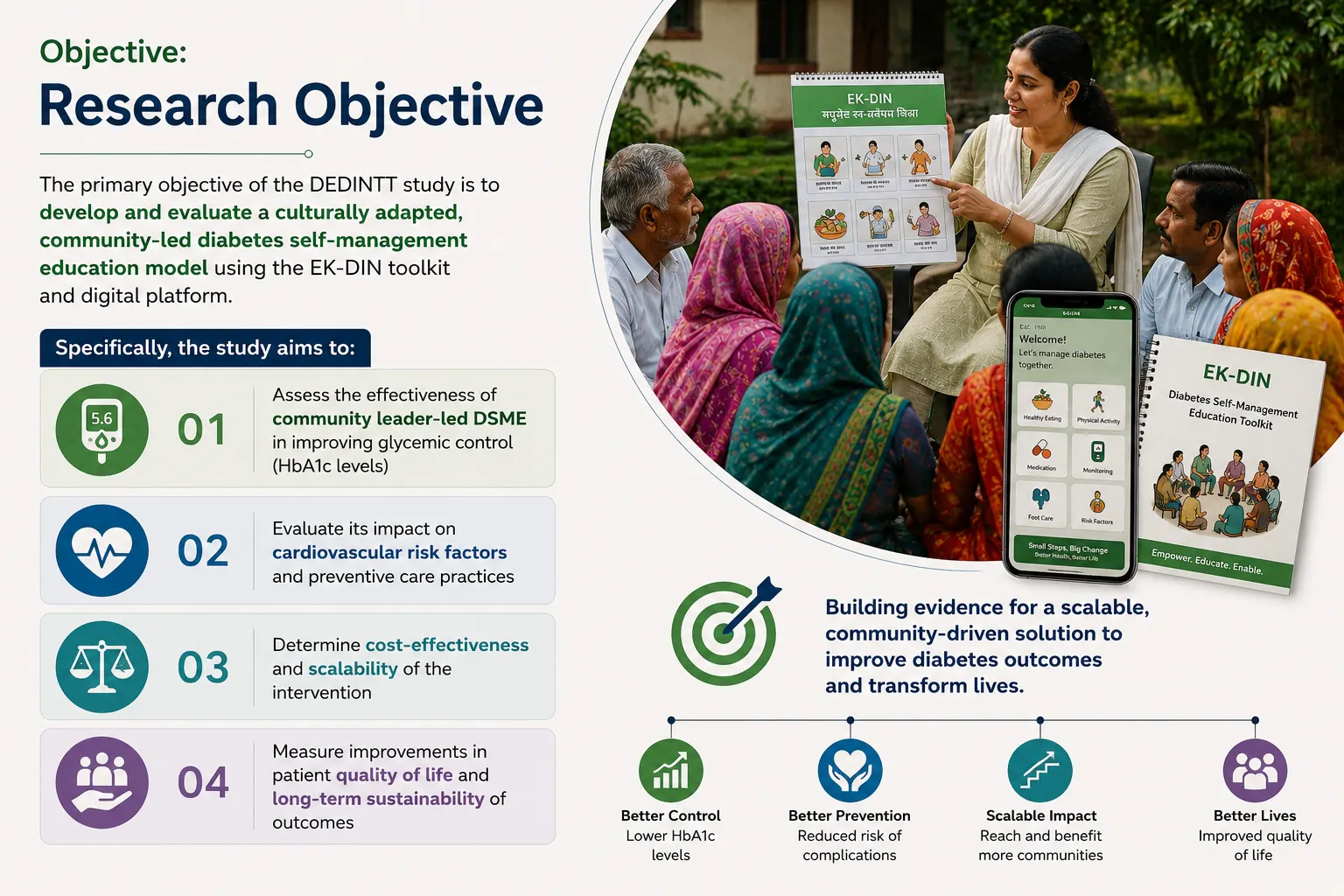
The primary objective of the DEDINTT study is to develop and evaluate a culturally adapted,community-led diabetes self-management education model using the EK-DIN toolkit and digital platform.
Specifically, the study aims to:
Study Design & Methodology
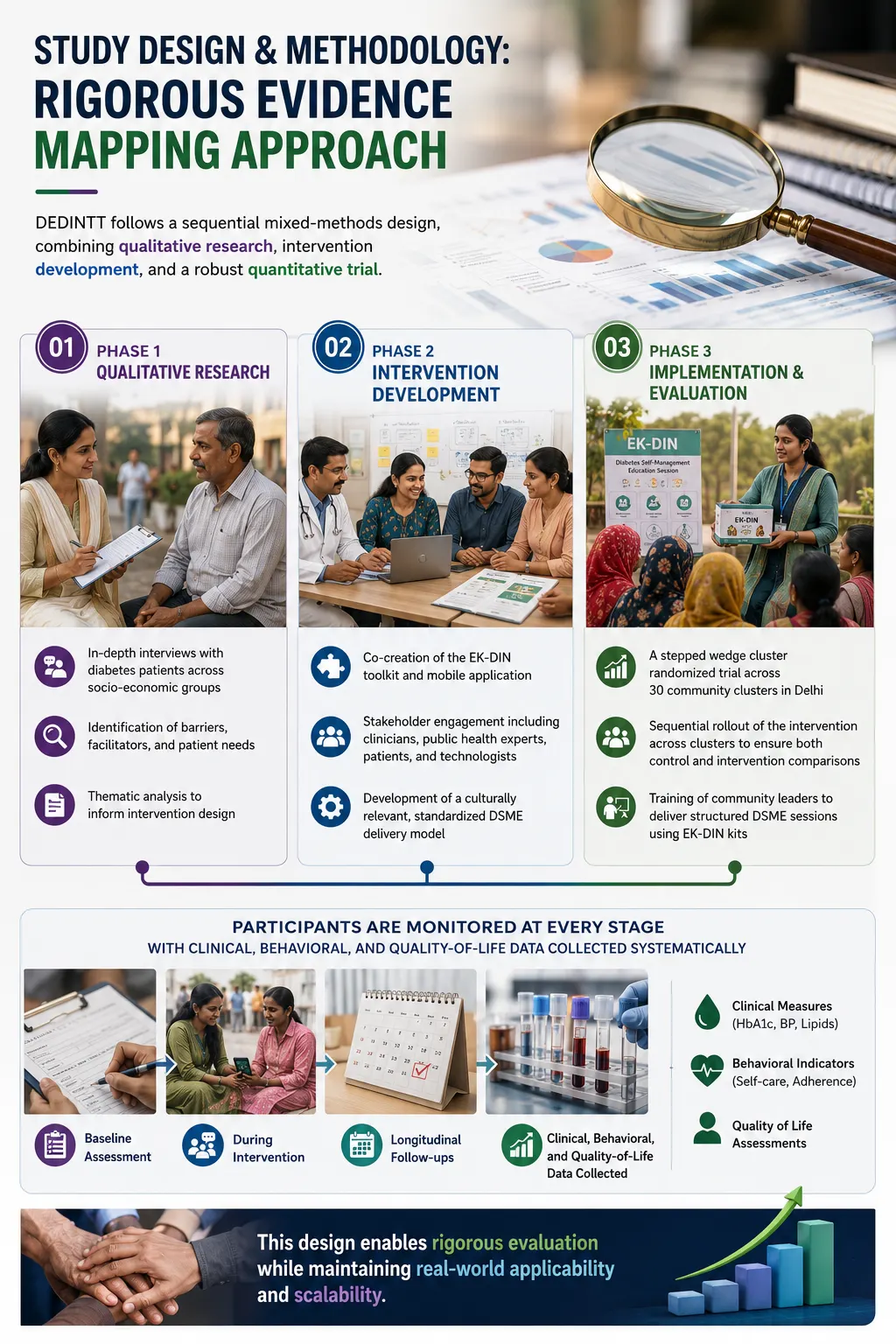
DEDINTT follows a sequential mixed-methods design, combining qualitative research, intervention development, and a robust quantitative trial.
Phase 1: Qualitative Research
Phase 2: Intervention Development
Phase 3: Implementation & Evaluation
Participants are monitored at baseline, during intervention, and through longitudinal follow-ups, with clinical, behavioral, and quality-of-life data collected systematically.This design enables rigorous evaluation while maintaining real-world applicability and scalability.
Intervention:
Outcome Measures:
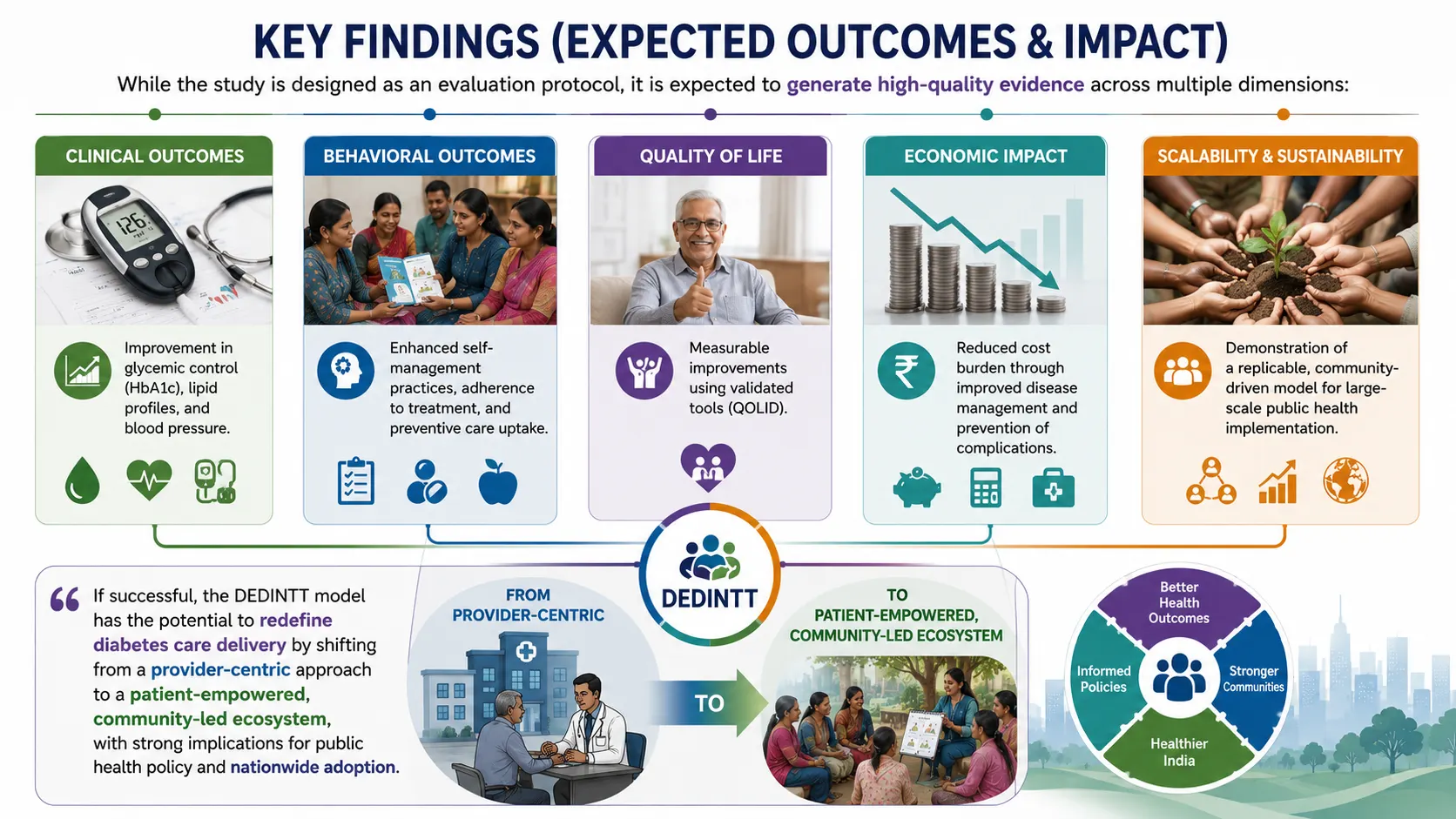
Key Findings
While the study is designed as an evaluation protocol, it is expected to generate high-quality evidence across multiple dimensions:
Impact
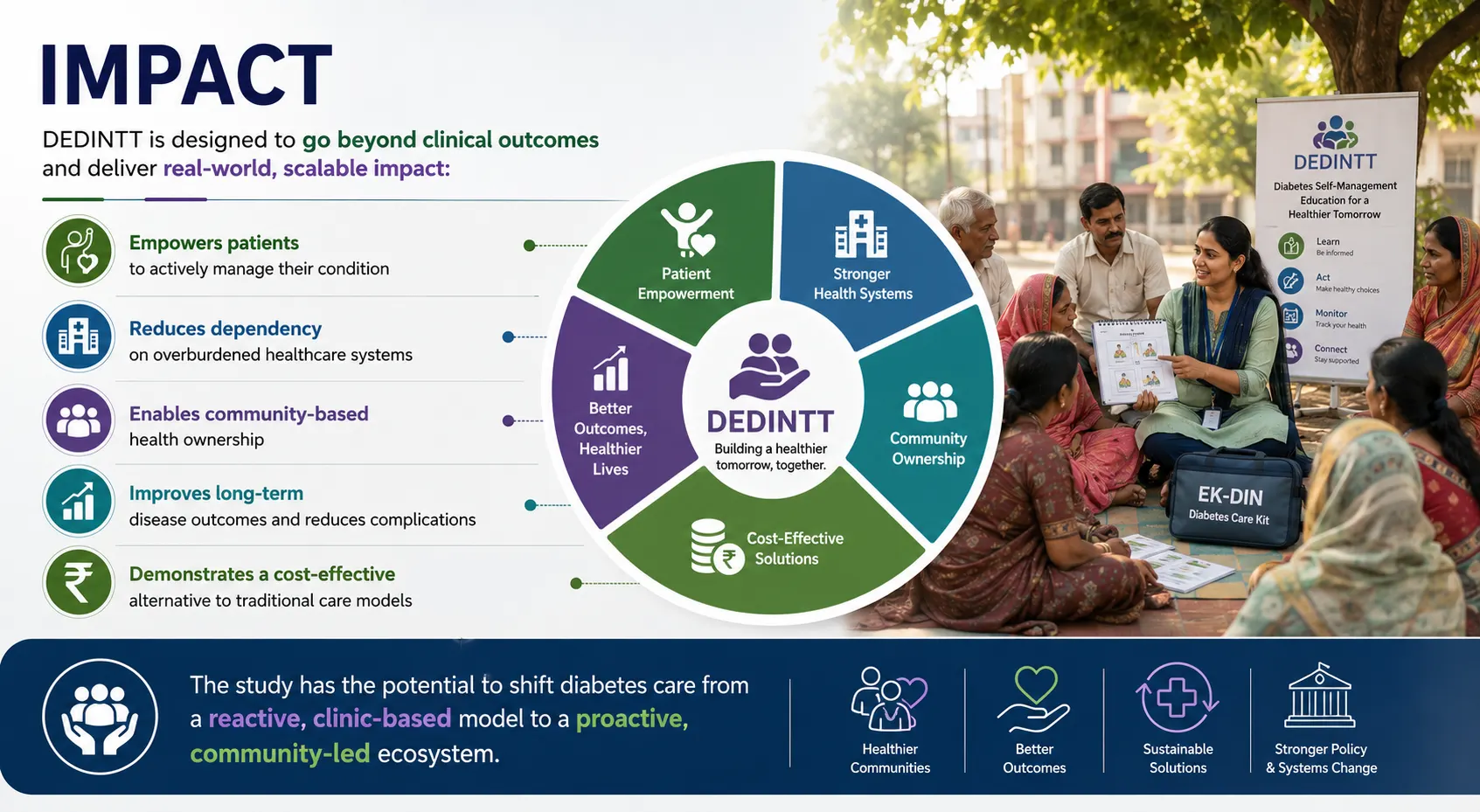
DEDINTT is designed to go beyond clinical outcomes and deliver real-world, scalable impact:
Highlight
Standardized Education + Community Delivery = Better Diabetes Care
Global Significance
The DEDINTT model addresses a universal challenge—how to deliver effective chronic disease management at scale in resource-constrained settings.Its implications extend beyond India:
Provides a replicable framework for low- and middle-income countries (LMICs)
Aligns with global priorities on patient empowerment and community health systems
Demonstrates how task-shifting to trained community members can improve outcomes
Supports integration of digital health with grassroots delivery models
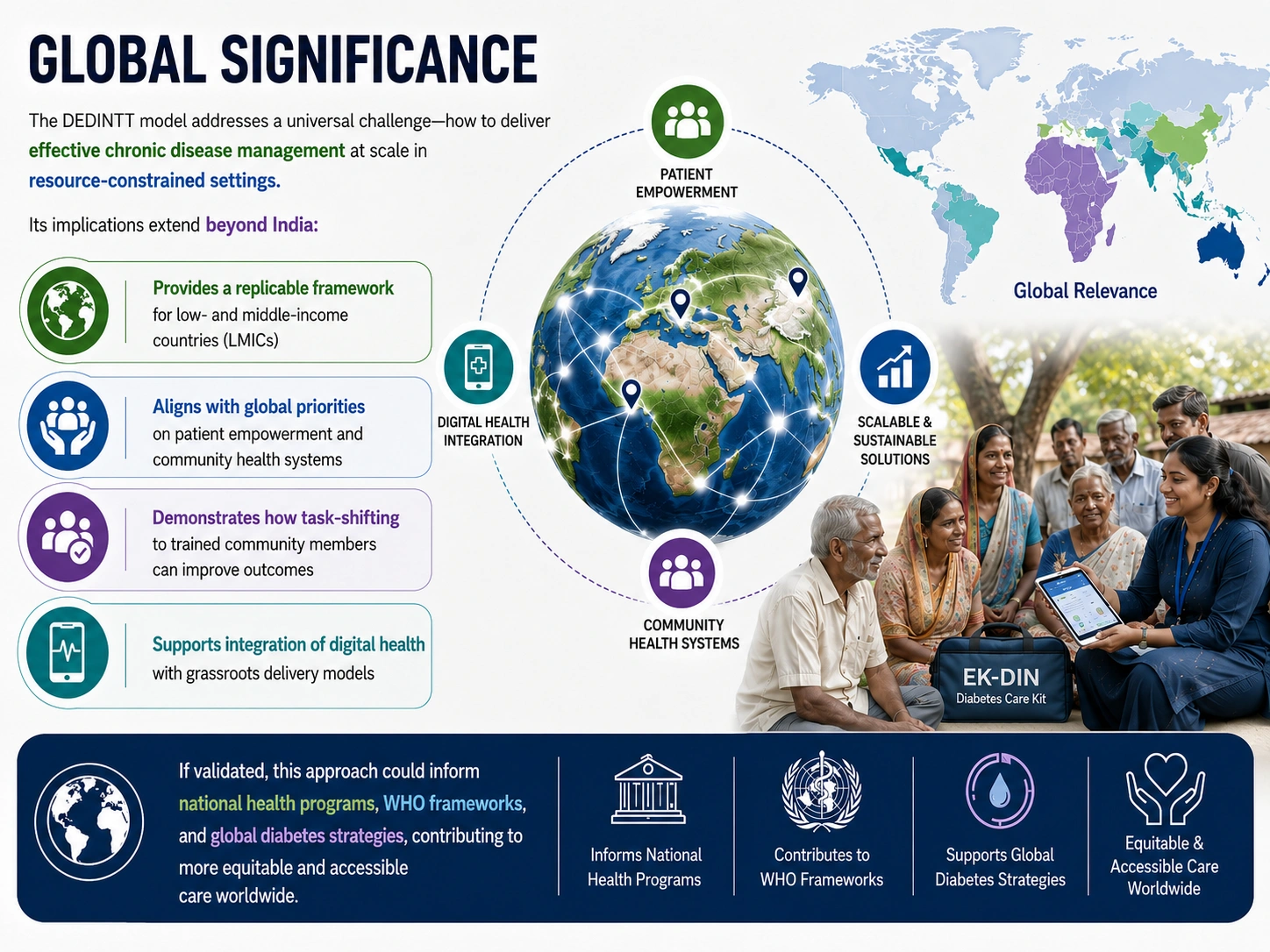
This approach could inform national health programs, WHO frameworks, and global diabetes strategies, contributing to more equitable and accessible care worldwide.
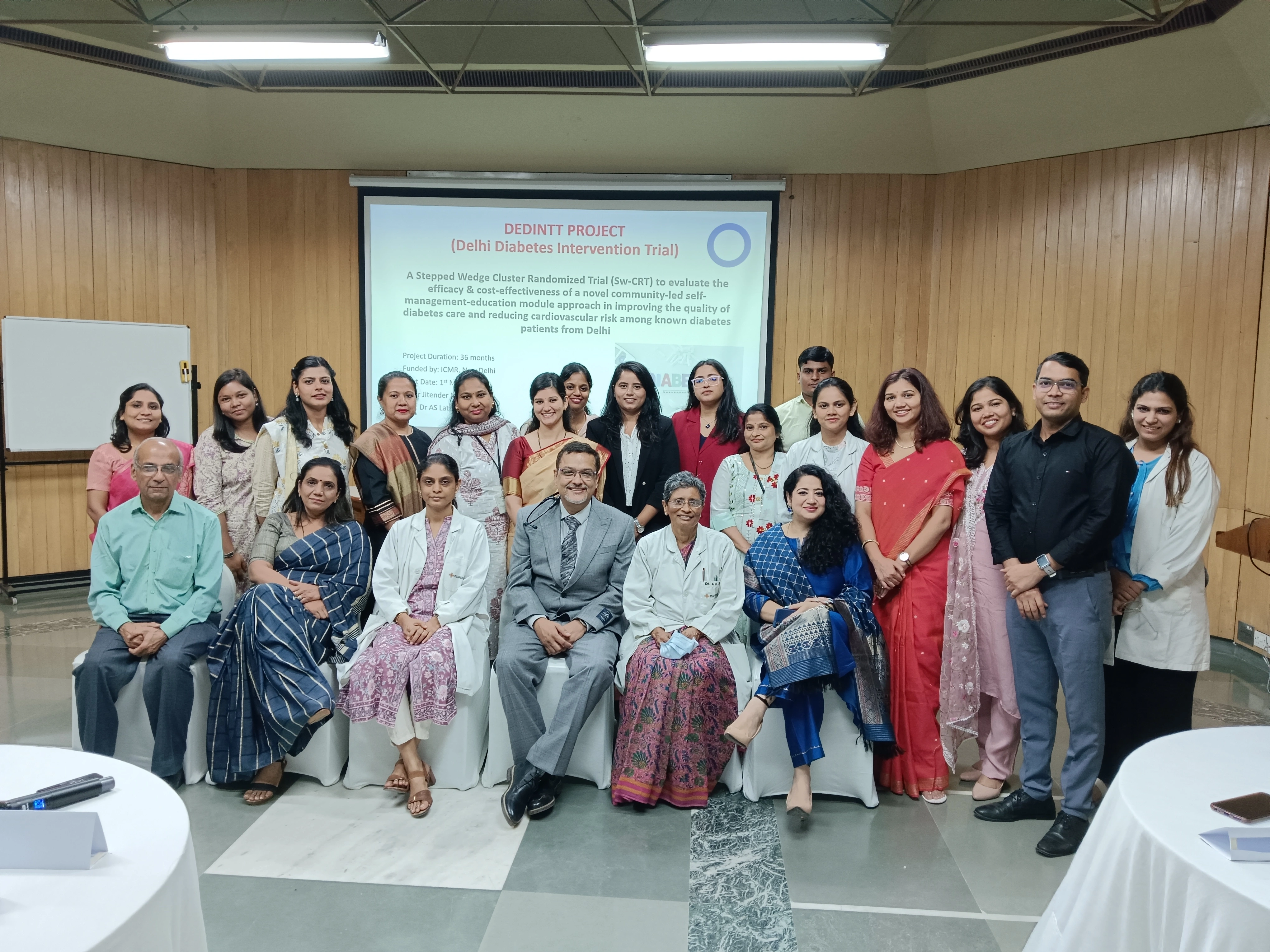
The DEDINTT study is led by a multidisciplinary team from the Sitaram Bhartia Institute of Science and Research (SBISR), New Delhi, with expertise spanning clinical medicine, public health, behavioral science, and health systems research.
The team includes:
The study is funded by the Indian Council of Medical Research (ICMR) and builds on prior large-scale community research (DEDICOM studies), ensuring strong scientific grounding and contextual relevance. The team’s approach emphasizes rigor, collaboration, and real-world impact, with a clear focus on translating research into actionable public health solutions.
This recognition strengthens the study’s positioning as a high-quality, policy-relevant research initiative with potential for both national and global impact.

We welcome collaborations with:
By supporting initiatives like DEDINTT, you contribute to advancing research that can transform diabetes care, inform policy, and improve outcomes at scale.
