Nina Uppal was informed during an anomaly scan at 20 weeks that she has antenatal hydronephrosis, a condition in which the fetus’ kidneys swell up because of fluid retained within them.
Anxious about her baby’s well-being, she asked her doctor about the condition.
 “The function of the kidneys is to filter out the waste matter or urine. When the kidneys malfunction, however, the fluid accumulates in the kidneys, thereby causing them to enlarge.”
“The fetus’ urine is a primary component of the amniotic fluid in the womb; but a lower amount of urine produced could translate into low levels of amniotic fluid (oligohydramnios).”
“This is why you may need more tests to assess whether the antenatal hydronephrosis is associated with any other conditions. “
Understanding that Nina and her husband had multiple concerns around the condition, the gynecologist asked Dr. Anunaya Katiyar, Pediatric Nephrologist at Sitaram Bhartia, to counsel them.
“The function of the kidneys is to filter out the waste matter or urine. When the kidneys malfunction, however, the fluid accumulates in the kidneys, thereby causing them to enlarge.”
“The fetus’ urine is a primary component of the amniotic fluid in the womb; but a lower amount of urine produced could translate into low levels of amniotic fluid (oligohydramnios).”
“This is why you may need more tests to assess whether the antenatal hydronephrosis is associated with any other conditions. “
Understanding that Nina and her husband had multiple concerns around the condition, the gynecologist asked Dr. Anunaya Katiyar, Pediatric Nephrologist at Sitaram Bhartia, to counsel them.
What is antenatal hydronephrosis?
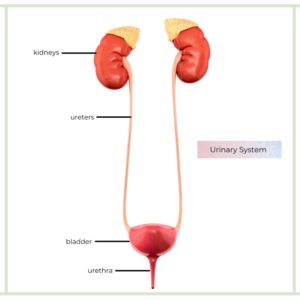
Antenatal or fetal hydronephrosis is a common condition that occurs in 1-5% of pregnancies. It can be detected through an ultrasound around the 20th week, as the kidneys appear bigger than normal. In most cases, the condition resolves itself either in the third trimester or shortly after birth. In a few cases, however, infants may have to be referred to pediatric nephrologists, who are specially trained to manage the urinary system in children. The doctor explained the urinary system, “We each have two kidneys, and tubes that carry the urine (called ureters) from the kidneys to the bladder, where the urine is emptied out through another tube called the urethra.”
“The function of the kidneys is to filter out the waste matter or urine. When the kidneys malfunction, however, the fluid accumulates in the kidneys, thereby causing them to enlarge.”
“The fetus’ urine is a primary component of the amniotic fluid in the womb; but a lower amount of urine produced could translate into low levels of amniotic fluid (oligohydramnios).”
“This is why you may need more tests to assess whether the antenatal hydronephrosis is associated with any other conditions. “
Understanding that Nina and her husband had multiple concerns around the condition, the gynecologist asked Dr. Anunaya Katiyar, Pediatric Nephrologist at Sitaram Bhartia, to counsel them.
Is fetal hydronephrosis serious?
Most of the time fetal hydronephrosis is not serious, but pregnant women must get frequent ultrasounds to determine whether the condition has improved or requires intervention after delivery. Dr. Anunaya encouraged the couple to ask her all their questions. Nina asked whether the condition was a result of anything she may have done.What causes antenatal hydronephrosis?
Dr. Anunaya assured the mother that the condition was not a result of her doing. She explained that in a few cases it may be associated with certain congenital abnormalities such as:- Obstructions, that can either occur where the renal pelvis meets the ureter or at the junction where the ureter meets the bladder. An obstruction blocks the passage of urine, leading to an accumulation of fluid in the kidneys.
- Vesicoureteral Reflux (VUR), wherein the urine flows backward from the bladder to the kidneys, instead of into the urethra.
How is fetal hydronephrosis treated?
Prenatal intervention for antenatal hydronephrosis is not an option in clinical practice in India. Pregnant women with this condition, however, must undergo careful monitoring to assess the size and amount of amniotic fluid. After birth mild to moderate antenatal hydronephrosis does not require immediate action, other than a follow up monitoring for related concerns. Immediate actions in the postnatal period are required only if there is severe hydronephrosis, kidneys are severely blocked and there are very low levels of amniotic fluid. “But this is very rare,” said Dr. Anunaya. Treatment for antenatal hydronephrosis after Birth An ultrasound is performed 3 -7 days after birth or may be performed earlier in case of- Significant dilation of both kidneys
- Complications at birth or
- Low levels of amniotic fluid
- Fever, lethargy or irritability in infants; being unable to feed, loose motions or vomiting
- Toddlers or older children who complain of a burning sensation or pain while passing urine; or who may avoid going to the washroom because of the discomfort; or those who have an urge to pass urine frequently